What are Antimicrobial Materials?
In healthcare, cleanability and durability matter.
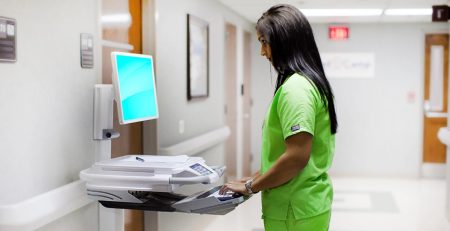
From workstations and carts to cabinets and overbed tables, high-touch products are used every day by caregivers, patients, families, and environmental services teams. They are cleaned frequently, moved throughout care spaces, and expected to hold up in demanding environments.
“Antimicrobial” does not always tell the full story. The term can describe different material technologies, performance claims, and product applications.
For healthcare teams, the important questions are practical: What is the material designed to do? How does it hold up to routine cleaning? Does it support long-term durability? And how should it fit into a broader cleanability strategy?
Understanding these details helps teams make more informed decisions about high-touch surfaces, product performance, and long-term value.
-
What Does “Antimicrobial” Mean?
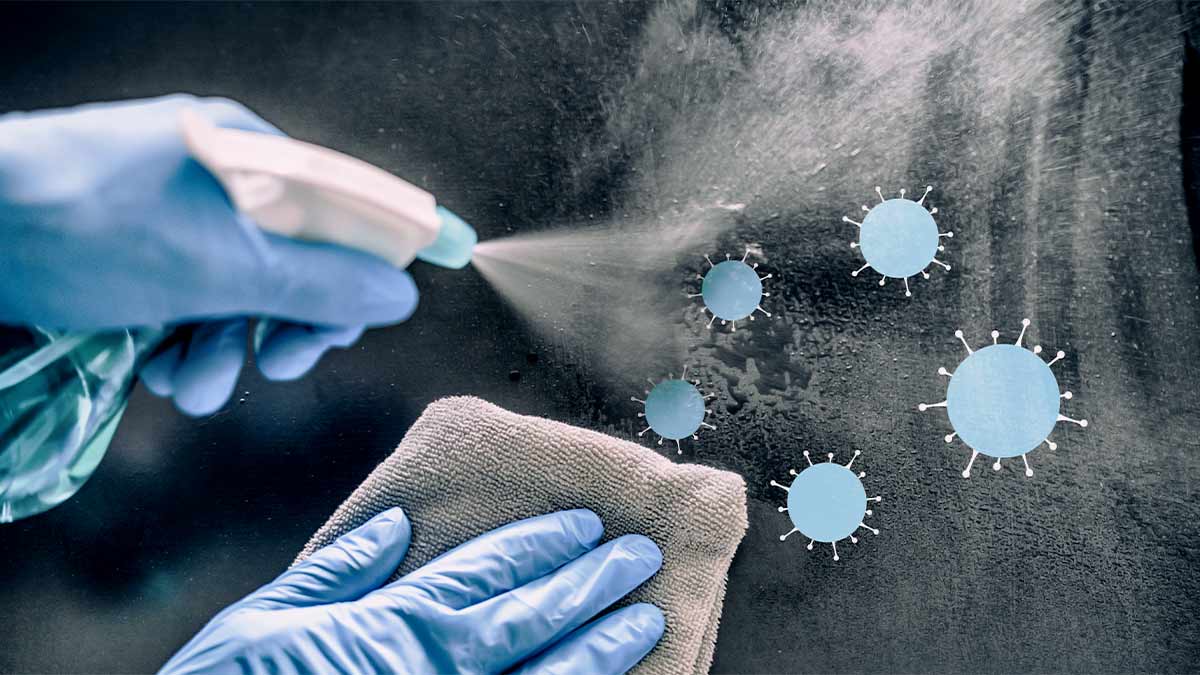
In simple terms, antimicrobial materials are designed to help inhibit the growth of microorganisms on a product surface.
Depending on the product and its claims, this may include:
- Bacteria
- Mold
- Mildew
- Fungi
- Algae
- Odor-causing microbes
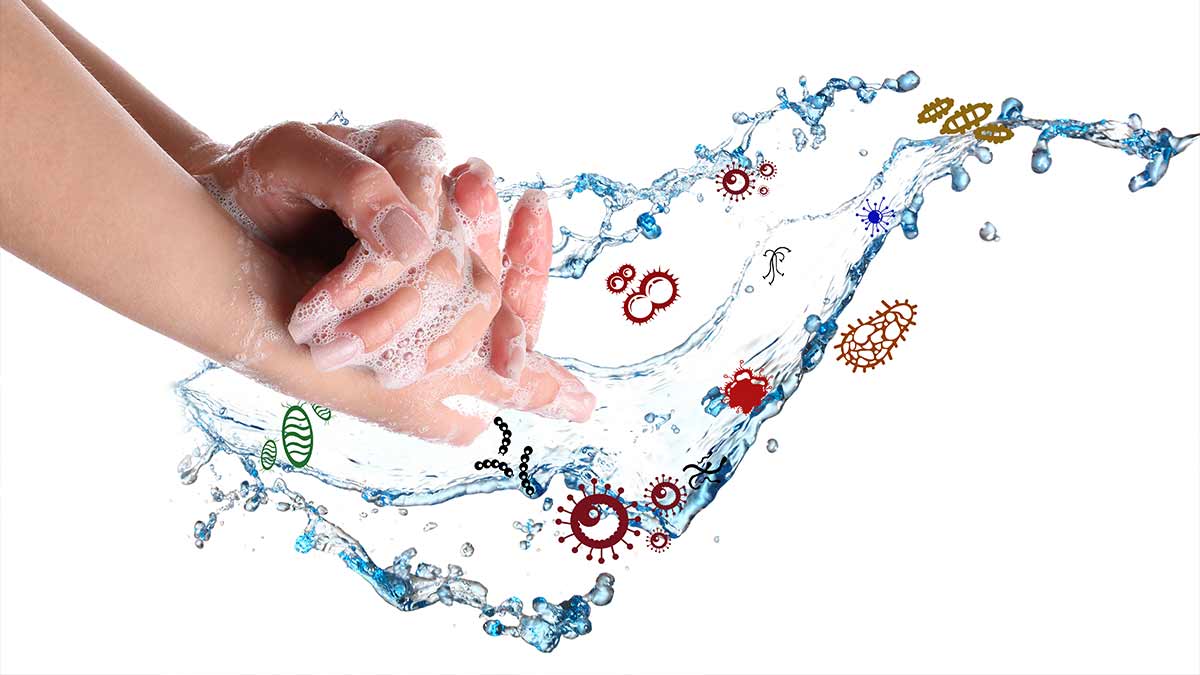
In many healthcare furniture and equipment applications, antimicrobial technology is used to help protect the product surface from stains, odors, and microbial deterioration.
However, antimicrobial materials are not self-cleaning. They do not replace routine cleaning or disinfection. Unless a product has specific public-health claims supported by the proper registration, antimicrobial protection should not be positioned as something that protects patients, caregivers, or others from disease-causing organisms.
-
How Are Antimicrobial Materials Made?
Antimicrobial materials are typically made by adding an antimicrobial agent to a base material, such as plastic, HDPE, laminate, coating, or finish.
The base material gives the product its structure, durability, and cleanability. The antimicrobial agent helps inhibit the growth of certain microorganisms on the product surface. The chemistry of antimicrobial agents disrupts the life functions of bacteria at a cellular level.
For example, some antimicrobial polymers use zinc-based or silver-based additives as agents. These additives are incorporated into the material or surface treatment and protect the product from stain- and odor-causing bacteria, mold, mildew, fungi, or algae.
Antimicrobial technology can be added to materials in different ways.
2a. Integrated into the Material
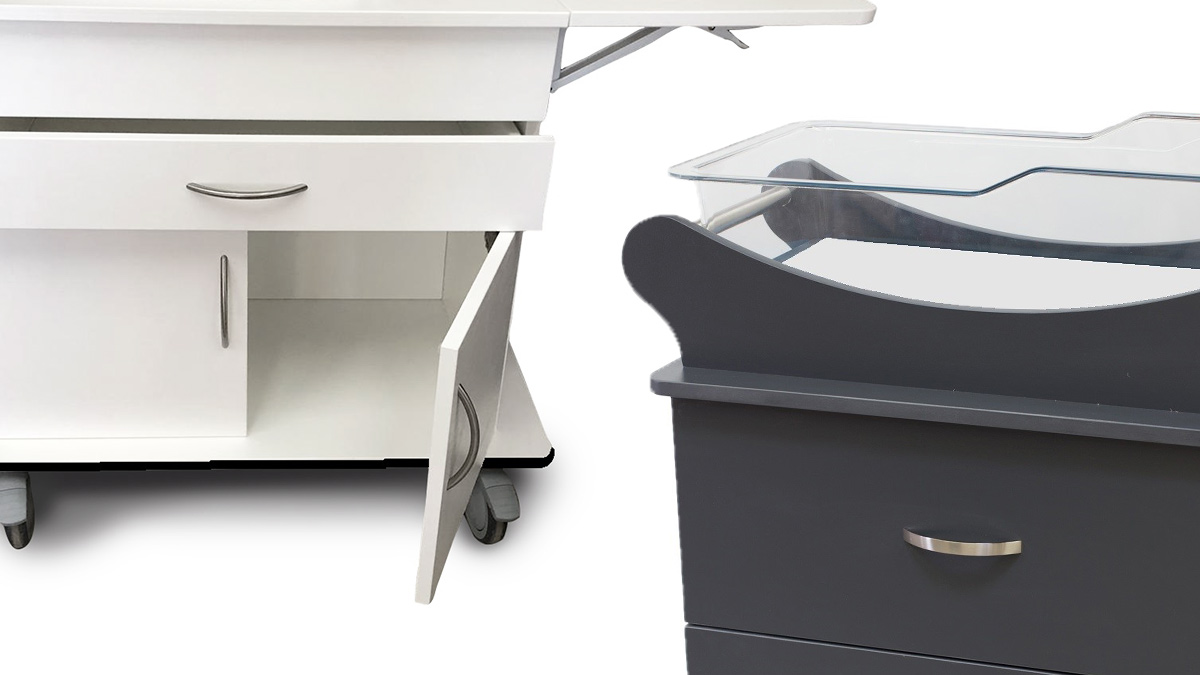
In some antimicrobial polymers, the antimicrobial additive is incorporated into the product molding during manufacturing. This means the protection is part of the polymer itself, and the antimicrobial additive will not leach out of the product.
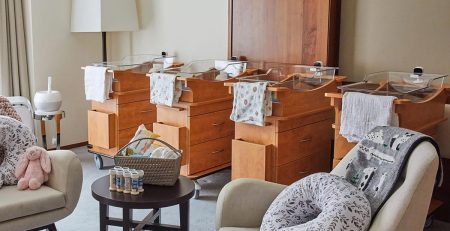
Many of our L&D carts and furniture are manufactured with antimicrobial additives bonded to HDPE thermoplastic polymer itself, including:
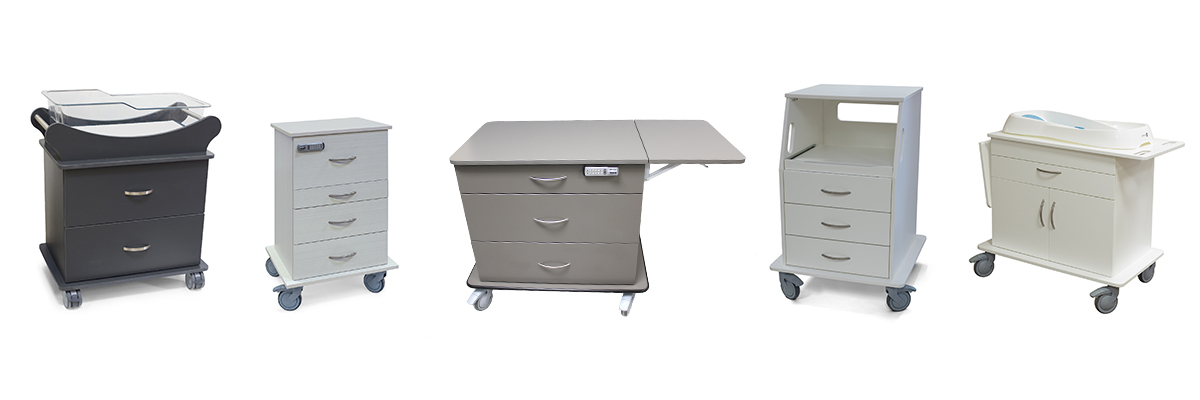
With this type of antimicrobial plastic, the additive is part of the polymer material. This kind of technology is bonded at the molecular level throughout the polymer sheet. For our products, frequent cleaning will not affect the appearance, durability, or antimicrobial treatment when proper cleaning and maintenance guidance is followed. It is non-porous and will not become absorbent to fluids over time, supporting JHACO standards.
The antimicrobial benefit still occurs at the surface, where contact with microorganisms takes place, but the technology is not dependent on a separate surface layer alone.
2b. Applied as a Surface Coating or Treatment
Other antimicrobial technologies may be applied as coatings, finishes, films, surface treatments, or treated high-touch components.
This does not make antimicrobial coatings inferior. Coatings provide meaningful value when they are engineered for the right product, surface, and use environment. They may be especially useful when antimicrobial protection is needed on a specific touch point, finished surface, or material that cannot be manufactured with an additive throughout.
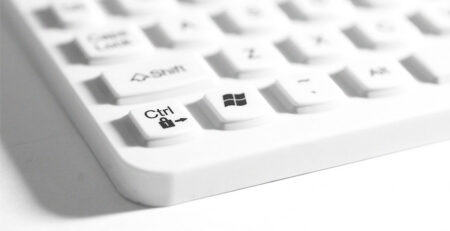
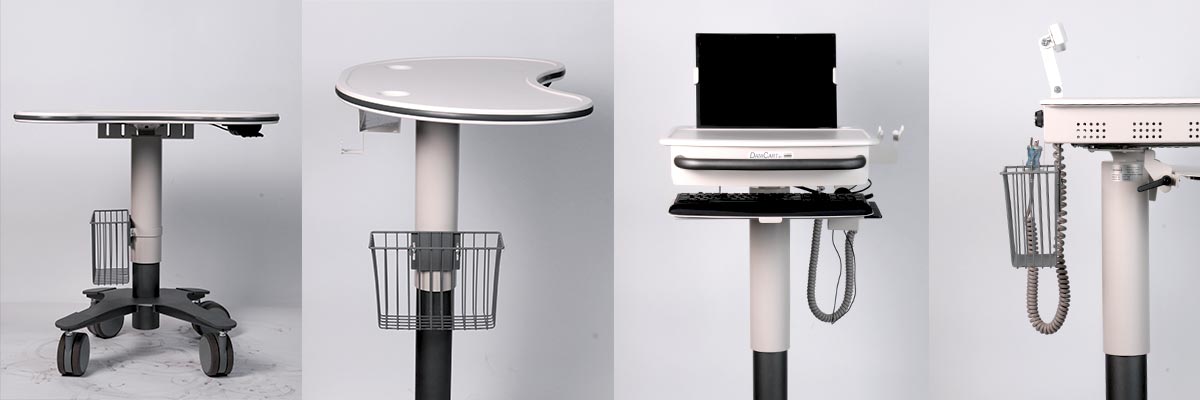
Many of our are manufactured with antimicrobial additives in high-touch points, such as:
-
Do Antimicrobial Materials Replace Cleaning?
No.
Antimicrobial materials can help surfaces stay cleaner between cleanings. They can help protect the product from stain- and odor-causing microbes. They may also help extend the useful life of a product by reducing microbial deterioration.
But they do not replace:
- Routine cleaning
- Disinfection protocols
- Environmental services procedures
- Infection prevention practices
Most manufacturers’ antimicrobial documentation specifically states that the product does not protect users or others from disease-causing bacteria and should always be cleaned thoroughly after use.
That is the safest and most accurate way to frame antimicrobial technology. It is an added layer of product protection, not a substitute for cleaning.
-
Why This Matters in Healthcare
Healthcare products need to do more than look good on day one.
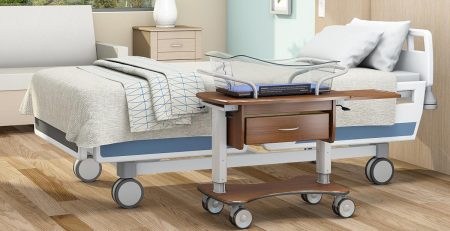
They need to hold up to frequent cleaning, and consistent, rugged use. That is especially true for carts, casework, bassinets, overbed tables, and other products used in patient care spaces.
Antimicrobial technology can support that goal by helping protect product surfaces from microbes that cause staining, odor, and material degradation.
It can also support cleaner, more durable healthcare surfaces between routine cleanings.
For healthcare teams, the value is practical:
- Products stay cleaner between cleanings.
- Surfaces are better protected against odor and staining.
- Materials can support long-term durability.
- High-touch products are designed with real-world use in mind.
Antimicrobial technology should be part of a broader product conversation. Cleanability, chemical resistance, material selection, and product design all play an important role in long-term performance.
The right solution brings those pieces together.
-
FAQ
Yes. Antimicrobial materials still need to be cleaned and disinfected according to facility protocols. Antimicrobial technology is designed to support product-surface protection between cleanings, not replace cleaning.
In short, no, as long as manufacturer cleaning directions are followed. Healthcare-grade antimicrobial materials are designed to hold up to routine cleaning when compatible cleaning agents are used as directed.
For solid HDPE with antimicrobial additives built into the material, such as our labor and delivery cart line, the material can be cleaned with any hospital cleaner, with the exception of undiluted bleach. Because the color and antimicrobial properties run through the material, these products are designed to withstand repeated cleaning without compromising the appearance or antimicrobial performance.
For antimicrobial coatings or treatments used on specific areas, such as high-touch points, cleaning compatibility should be confirmed with the manufacturer. Approved cleaning agents are tested to ensure they do not damage the antimicrobial finish or affect its intended properties.
Look beyond the word “antimicrobial.”
Ask how the technology is incorporated, what the material is designed to protect against, which cleaning agents are compatible, and whether the product has been tested for repeated cleaning, abrasion, and daily use.
The Bottom Line
Antimicrobial materials can offer real value in healthcare settings.
They help protect surfaces from stain- and odor-causing microbes. They can support cleaner products between cleanings. They can also contribute to long-term durability in high-touch environments.
When used correctly, antimicrobial materials can support cleaner, more durable healthcare spaces. They are not a replacement for cleaning, but they can be a smart part of a broader cleanability and product-performance strategy.
Contact us to learn more about our antimicrobial carts and furniture, and how they support long-term durability, cleanability, and everyday clinical workflows.