Building a Realistic Nursing Simulation Lab
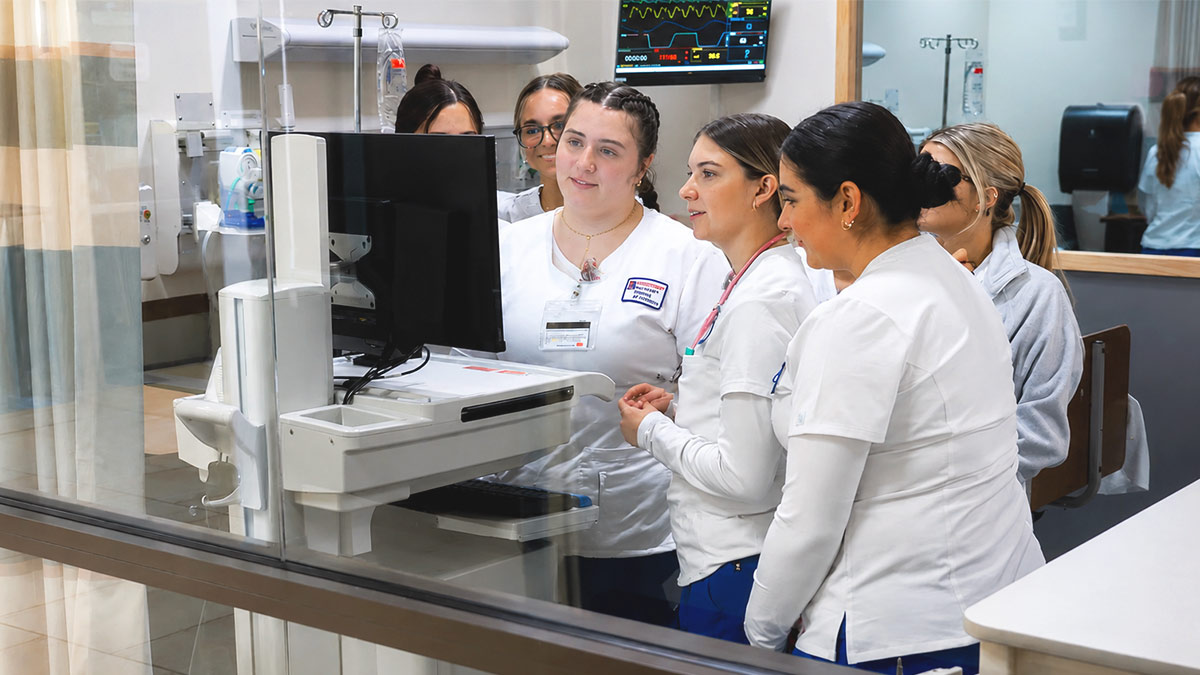
Nursing simulation labs play a critical role in preparing students for clinical practice by recreating realistic healthcare environments in a controlled setting. From patient rooms and clinical technology to documentation workflows and debriefing spaces, every element of a simulation center contributes to the learning experience.
At Convergint-IMS, we have worked with dozens of nursing programs across the country to outfit simulation centers with documentation workstations, medical computer carts, furniture, and technology that support realistic training environments. Whether you are evaluating nursing programs as a prospective student or expanding an existing simulation lab as an educator or administrator, understanding the components of a successful simulation center can help guide future investments and educational outcomes.
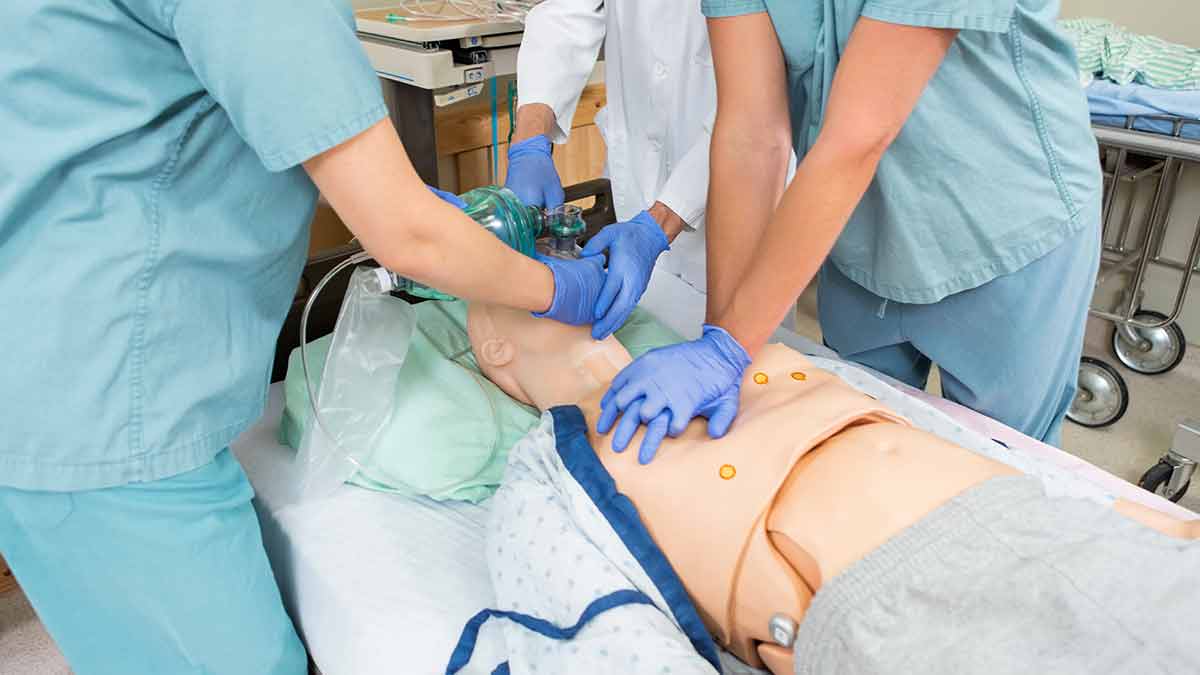
What Is a Nursing Simulation Lab?
A nursing simulation lab is a controlled learning environment designed to replicate real-world healthcare settings. These labs allow nursing students to practice clinical skills, develop critical thinking abilities, and gain confidence before interacting with actual patients.
Today’s nursing simulation labs can range from basic skills labs to highly immersive environments that replicate hospital units, outpatient clinics, emergency departments, and long-term care facilities.
Common objectives of a nursing simulation lab include:
- Practicing patient assessments
- Learning medication administration workflows
- Developing clinical decision-making skills
- Improving communication and teamwork
- Building documentation and charting competency
- Preparing students for clinical rotations
- Simulating emergency response scenarios
For nursing students, simulation labs provide a safe environment to learn from mistakes. For nursing educators and administrators, they provide a repeatable, measurable way to evaluate student performance and readiness.
Why Realism Matters
The goal of a nursing simulation lab is not simply to teach individual skills. The goal is to prepare students for the realities and complexities of patient care.
Healthcare environments are complex. Nurses must simultaneously manage:
- Patient assessments
- Documentation requirements
- Medication administration
- Communication with providers
- Technology and equipment
- Time management
- Unexpected clinical events
The more closely a simulation lab reflects actual healthcare workflows, the better prepared students will be when they enter clinical settings.
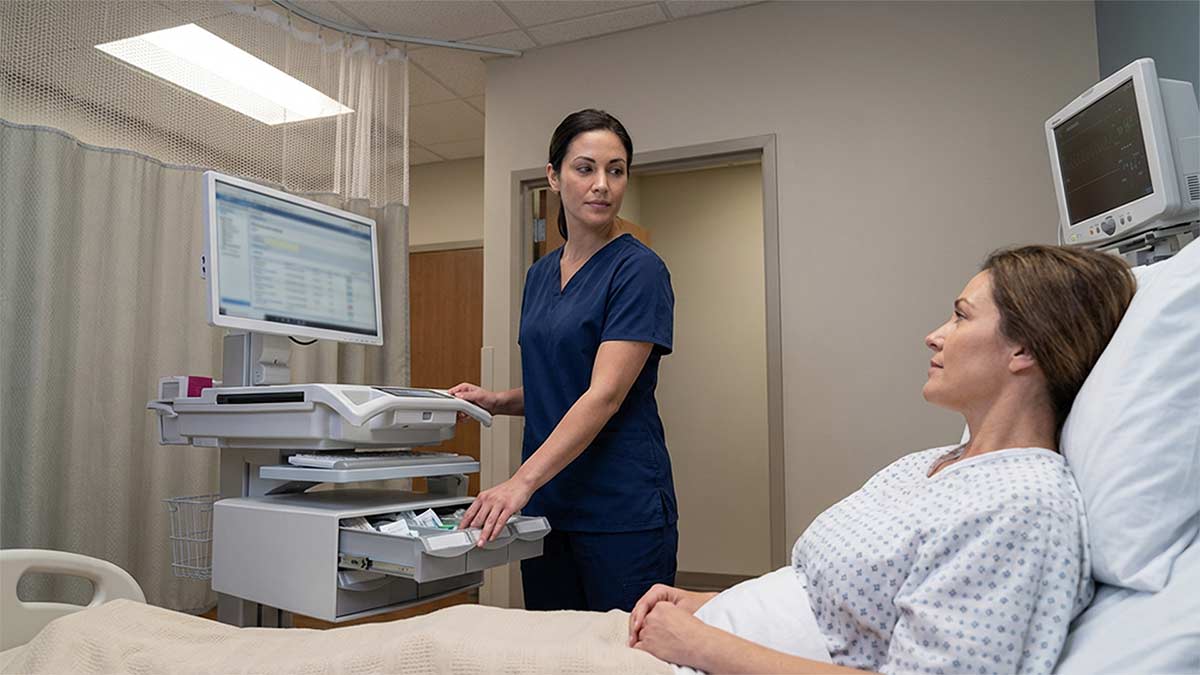
The Four Elements of a Realistic Simulation Lab
While every nursing program has unique goals, the most effective simulation labs are built around four foundational elements. Together, these components create an environment that helps students develop clinical skills, build confidence, and prepare for real-world patient care.
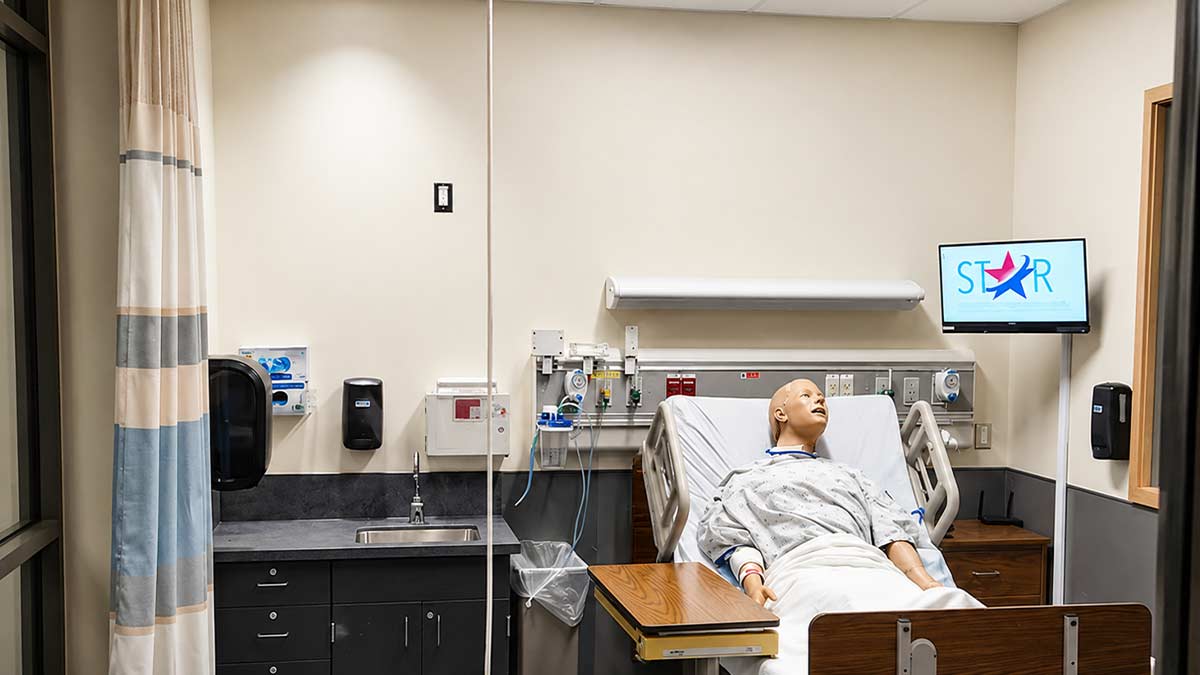
1. Patient Care Environment
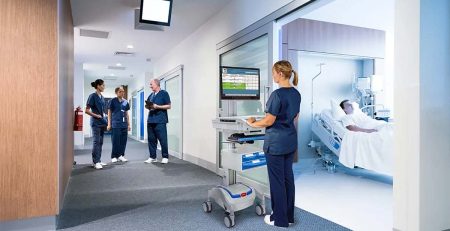
The physical environment serves as the foundation of every simulation experience. Students should have opportunities to interact with spaces that closely resemble the healthcare settings they will encounter during clinical rotations and future employment.
- Hospital beds
- Manikins
- Overbed tables
- Bedside cabinets
- Visitor seating
- Cabinets & sink
- Privacy curtains
- Headwall systems with gas outlets
- General room supplies (sharps container, hand sanitizer, gloves, etc.)
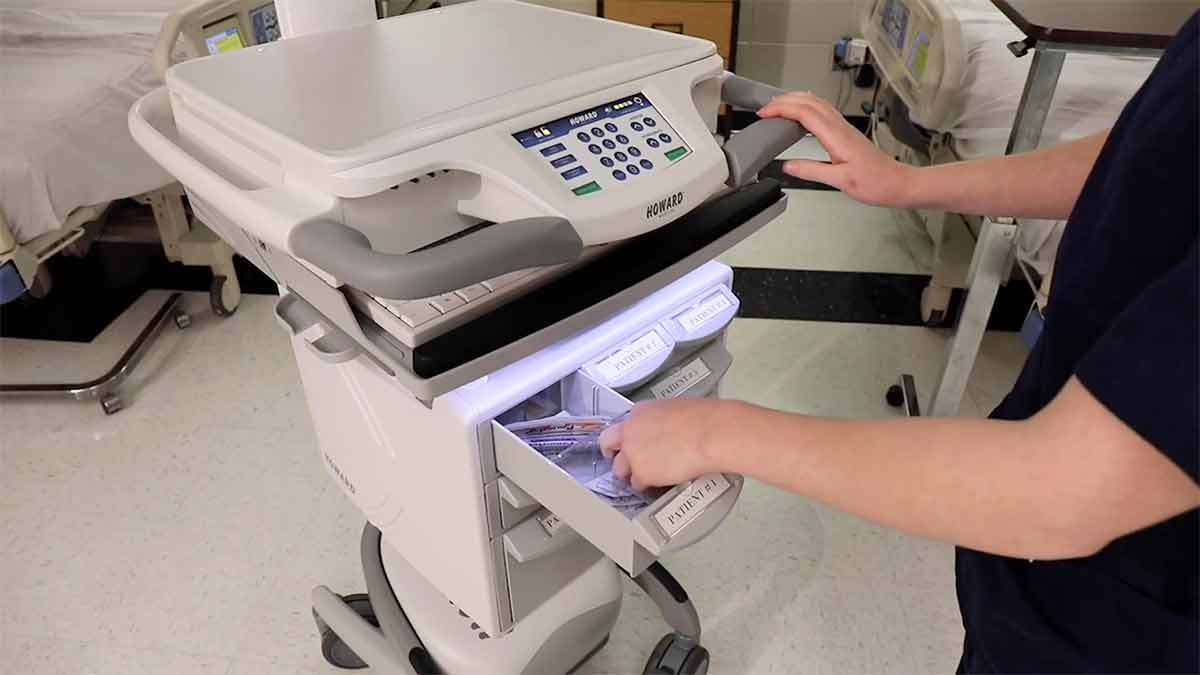
2. Clinical Technology
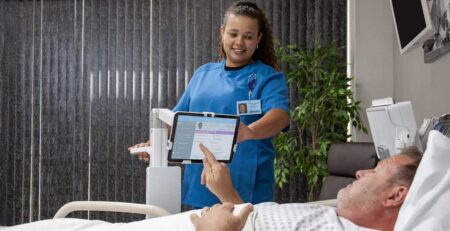
Modern healthcare relies heavily on technology, making exposure to clinical systems a critical part of nursing education. Simulation labs should provide students with opportunities to learn and practice using the same tools found in today’s healthcare facilities.
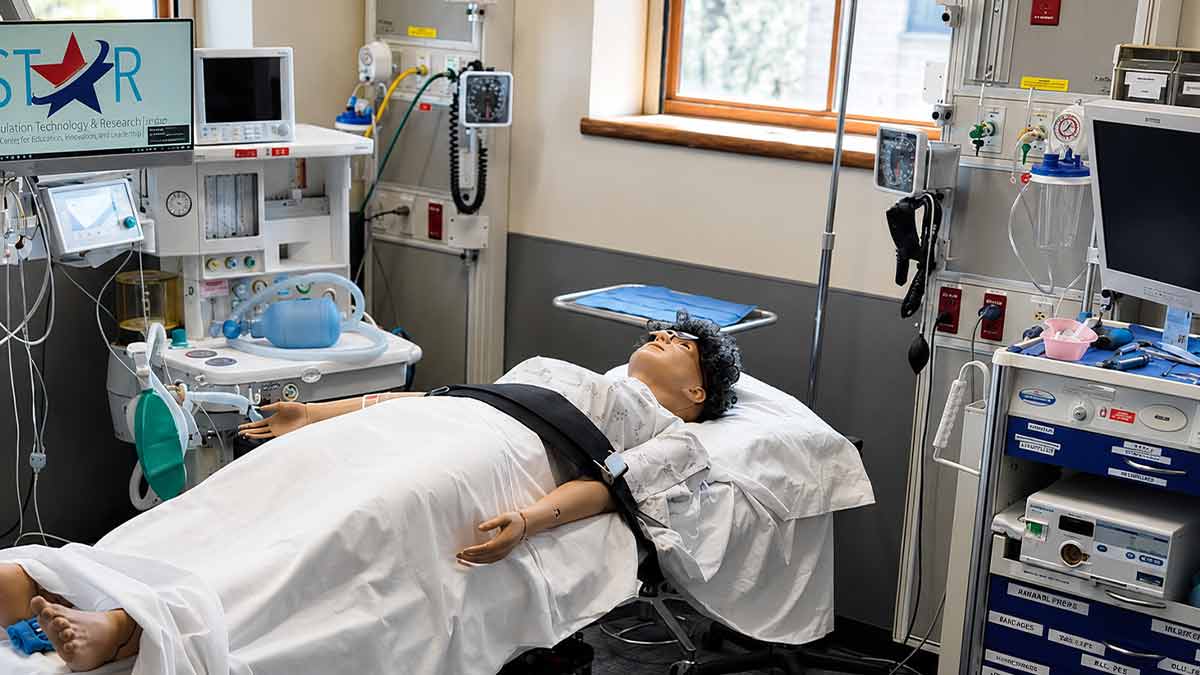
Technology may include:
3. Documentation and Charting Workflows
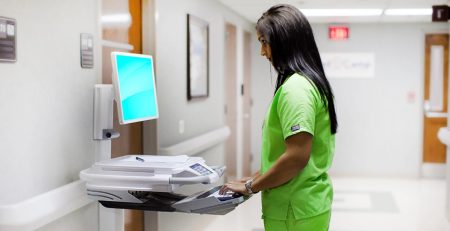
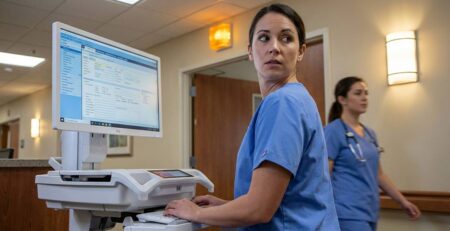
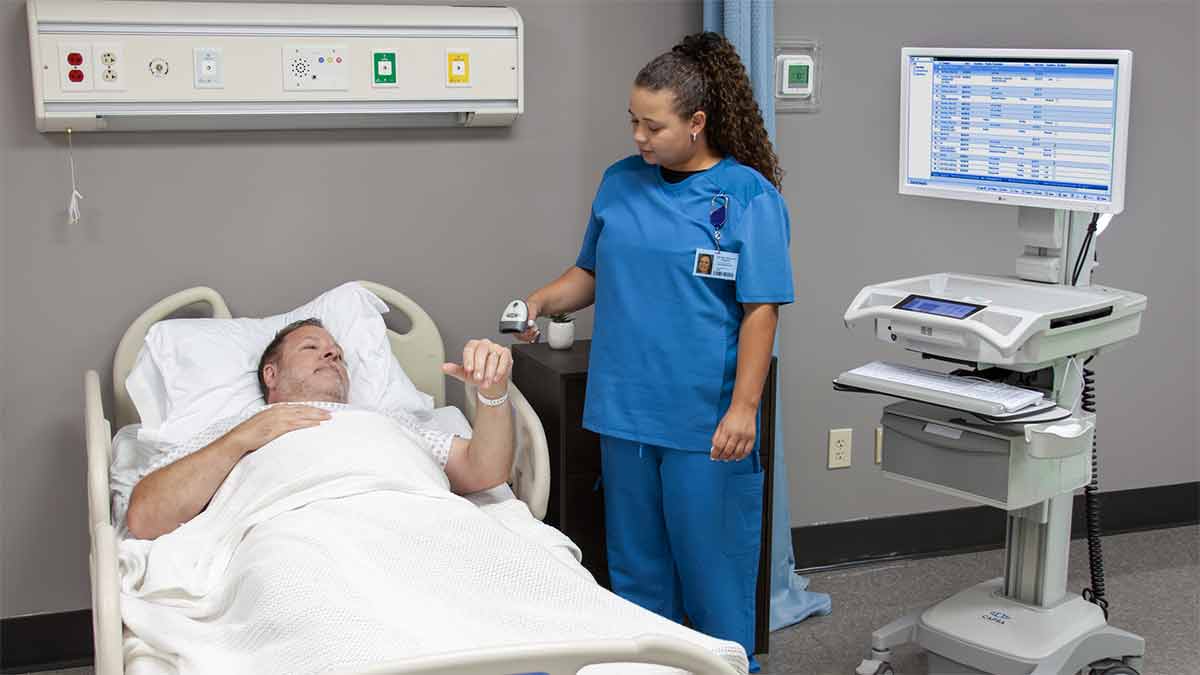
Clinical documentation is a core nursing responsibility. A realistic simulation lab should provide opportunities for students to practice documenting patient care in environments that closely resemble real clinical workflows.
Key documentation skills include:
- Patient assessments
- Medication administration records
- Care planning
- Shift documentation
- Patient handoff communication
- Incident reporting
4. Simulation Support Spaces
A successful simulation center extends beyond patient care environments. Dedicated support spaces provide opportunities for instruction, observation, skills development, and operational management, helping educators create a more immersive and effective learning experience.
Spaces outside of patient care may include:
- Pre- and debriefing conference rooms
- Simulation control rooms
- Virtual reality lab
- Clinical skills lab
- Central supply room
Specialty Environments and Niche Equipment
Once the foundational elements are established, many nursing programs expand their simulation capabilities to support specialty training scenarios. The equipment and technology required will vary depending on the clinical environments being replicated.
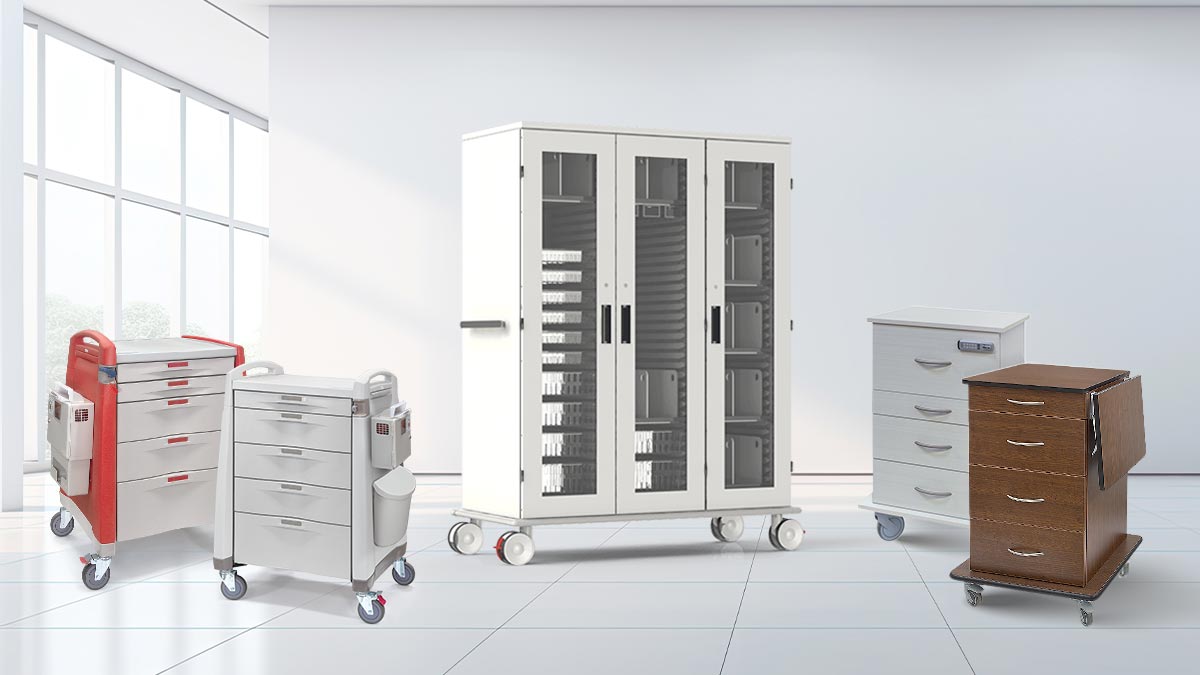
Medical-Surgical Simulation Labs
Specialty equipment may include:
- Ultrasound machines
- Medical carts or supply carts
Intensive Care Unit (ICU) Simulation Labs
Specialty equipment may include:
- Telemetry displays
- Critical care workstations
- Emergency response equipment
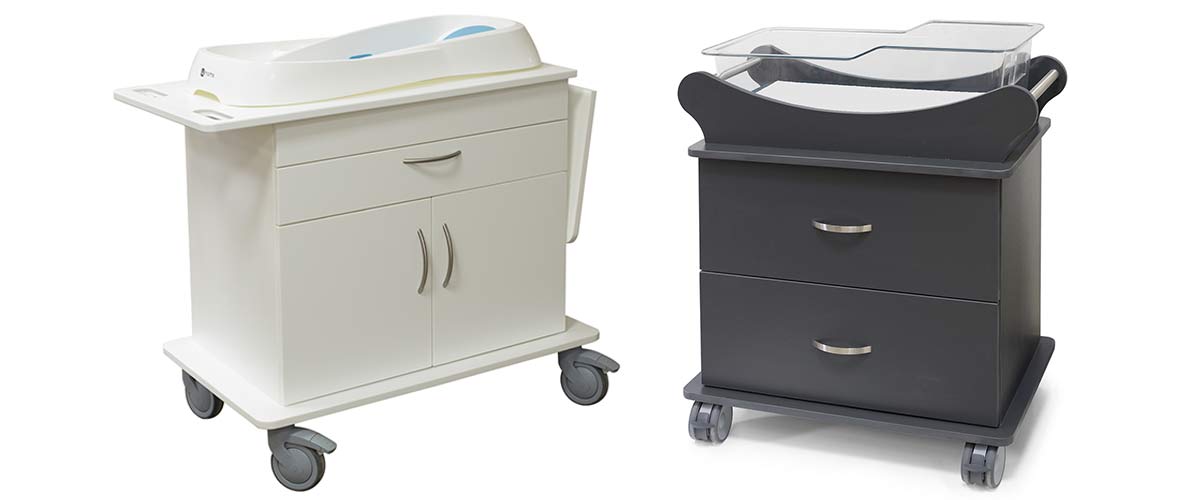
Labor and Delivery Simulation Labs
Specialty equipment may include:
- Birthing beds
- Bassinets
- Infant bathing stations
- Hemorrhage and PPH carts
Emergency Department Simulation Labs
Specialty equipment may include:
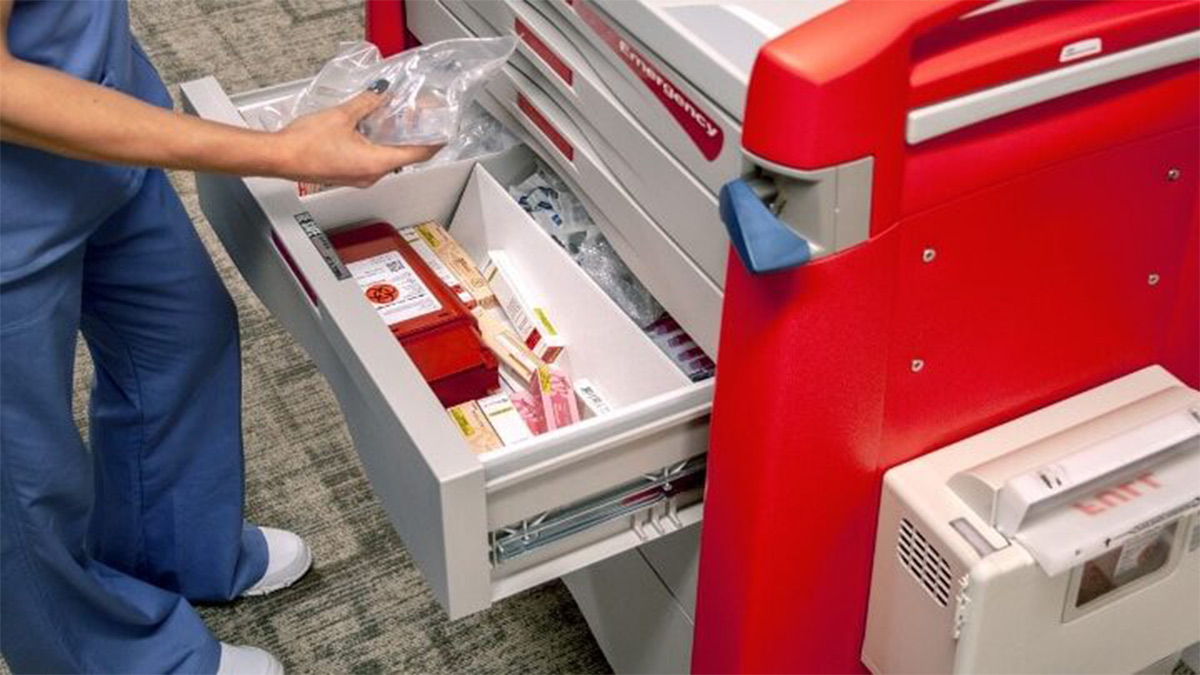
- Emergency carts
- Defibrillator
- Rapid response equipment
Telehealth and Community Health Simulation Labs
Common equipment may include:
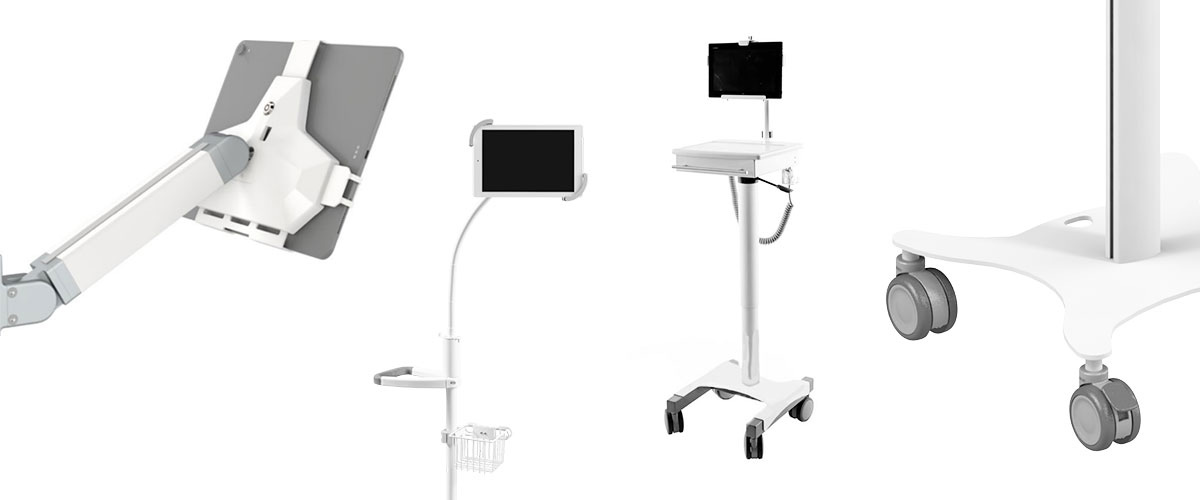
- Telehealth carts
- PTZ cameras
- Microphones and speakers
- Virtual care software
Common Mistakes Nursing Programs Make
When building or expanding a simulation lab, institutions often focus heavily on clinical equipment while overlooking the workflows that make healthcare environments function.
Common challenges include:
- Prioritizing equipment over workflow design
- Underestimating documentation training needs
- Creating unrealistic patient environments
- Overlooking collaboration and debriefing spaces
- Selecting technology that cannot scale
A successful simulation lab balances people, processes, technology, and environment.
Planning for Future Growth
Healthcare technology and nursing education continue to evolve. The most successful simulation labs are designed with flexibility in mind.
When evaluating equipment and technology investments, consider:
- Future enrollment growth
- New curriculum requirements
- Emerging healthcare technologies
- Additional simulation environments
- Technology integration needs
- Long-term maintenance requirements
Choosing flexible, scalable solutions today can help reduce costs and simplify future expansions.
Frequently Asked Questions
The equipment required depends on the goals of the program and the types of clinical environments being simulated. Most nursing simulation labs include four major categories of equipment:
- Patient room furniture, such as hospital beds, overbed tables, bedside cabinets, and seating
- Clinical technology and patient monitoring equipment, including patient monitors, high-fidelity manikins, telehealth technology, and communication systems
- Documentation technology and simulation software, such as medical charting simulators and mobile documentation workstations
- Debriefing and educational tools, including digital whiteboards, presentation displays, recording systems, and collaboration spaces
Many simulation centers also incorporate specialty equipment to support specific learning environments, such as intensive care, labor and delivery, emergency medicine, and virtual care.
A medical charting simulator is an online training environment that allows students to practice electronic documentation using simulated EMR systems and patient scenarios.
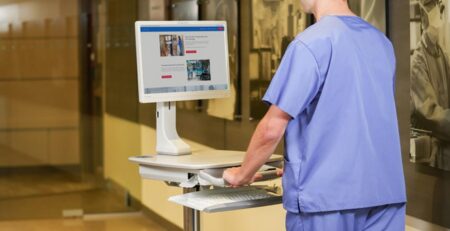
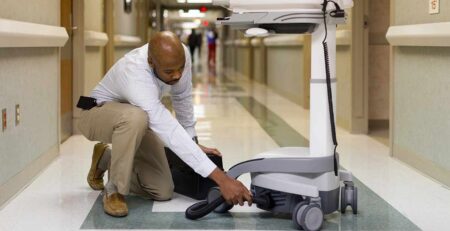
EMR carts help students learn bedside charting, medication administration, patient rounding, and documentation workflows that closely mirror real clinical practice.
Simulation labs commonly replicate medical-surgical units, intensive care units, labor and delivery suites, emergency departments, outpatient clinics, and long-term care environments.
Yes. Many institutions begin with foundational equipment and gradually add technology, furniture, and specialty simulation environments as programs grow.
Creating an Environment That Prepares Students for Success
A realistic nursing simulation lab goes beyond patient manikins and clinical equipment. By combining realistic patient environments, modern healthcare technology, documentation workflows, and collaborative learning spaces, nursing programs can create immersive experiences that prepare students for the realities of patient care.
Whether you’re evaluating a nursing program or planning the future of a simulation center, investing in realistic learning environments helps ensure the next generation of nurses is prepared to deliver confident, effective, and compassionate care.
To get started with turnkey EMR carts, medical supply carts, and patient furniture including overbed tables and cabinetry, contact us at the link below.