Computer Carts

Nurse Clinician Safety EMR Workstation Ergonomics

Nurse & Clinician Safety: EMR Workstation Ergonomics

Preventing back injuries and muscle strain for nurses & clinicians is necessary to ensure the proper care of patients. With clinician burnout on the rise, extra steps to ensure their health and safety need to become a priority. So before deciding on the workstations they’ll use all day every day, ensure you’re making an informed decision to protect your healthcare workers.

As a value-added reseller of medical carts, computer carts, and patient care furniture who’s worked firsthand with the forefront of care for over 30 years, here’s a little bit of what we’ve learned:

5 Key Ergonomic Features for Computer Carts in Healthcare

1.)  Sit to Stand Height Adjustments

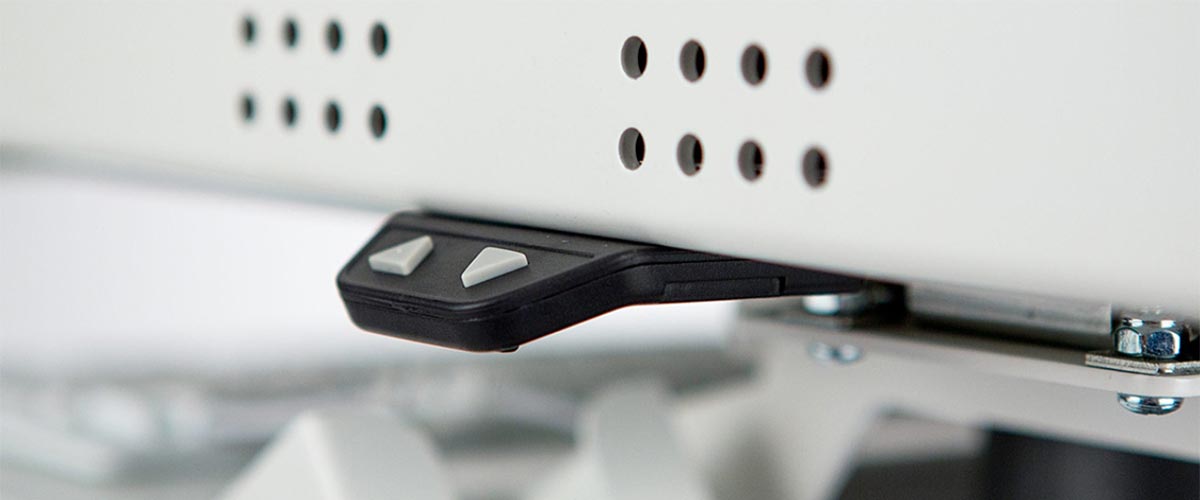
Opt for a workstation that has electronic sit-to-stand height adjustment & independent monitor height adjustment.

Manual height adjustments can be straining on staff when carts are filled with heavy supplies and technology, and the push of a button makes adjustability quicker and safer. Additionally, independent monitor height adjustment ensures the exact degree of comfort each medical staff needs to focus on their patients.

Because we recognize the importance of comfort, every workstation at Convergint- Innovative Medical includes sit-to-stand height adjustments, even our wall mounted workstations.

Nurse Clinician Safety EMR Workstations

2.)  Storage Efficiency

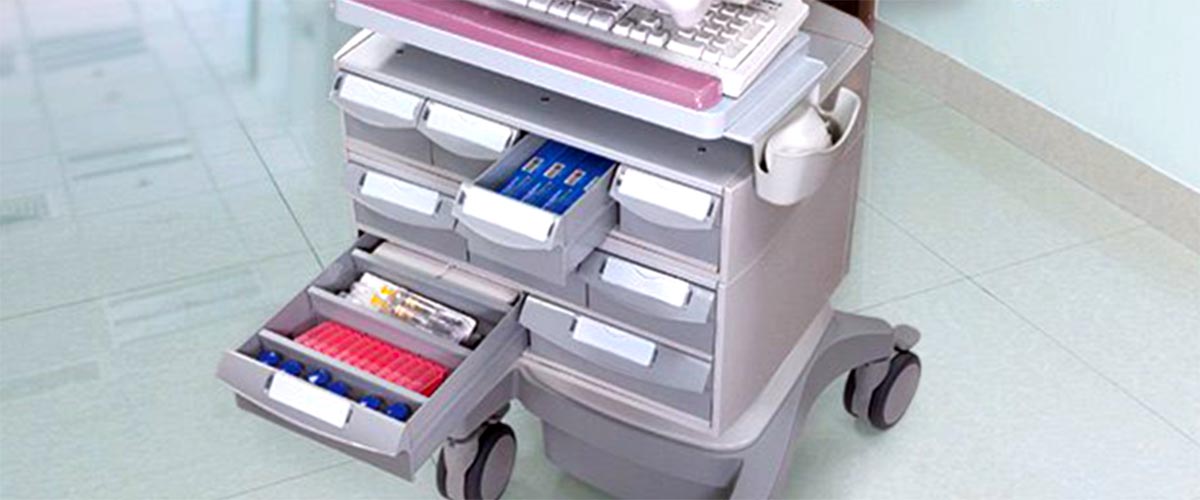
Stop wasting time digging for supplies with customizable trays, storage solutions, & electronic medication drawer tracking.

Customizable trays and drawer sizes allow for organized storage of supplies, and electronic medication drawer tracking enhances security and accuracy. Efficient storage solutions ensure that all necessary tools and medications are easily accessible, improving workflow and patient care.

With a wide range of storage solutions and bin sizes, all of our workstation drawers include customizable tray inserts for clinicians to minimize their time searching for what they need. Inquire about our patient bin tracking that minimizes mistakes in medication delivery.

Storage Workstations EMR Carts

3.)  Ergonomic Typing Surfaces

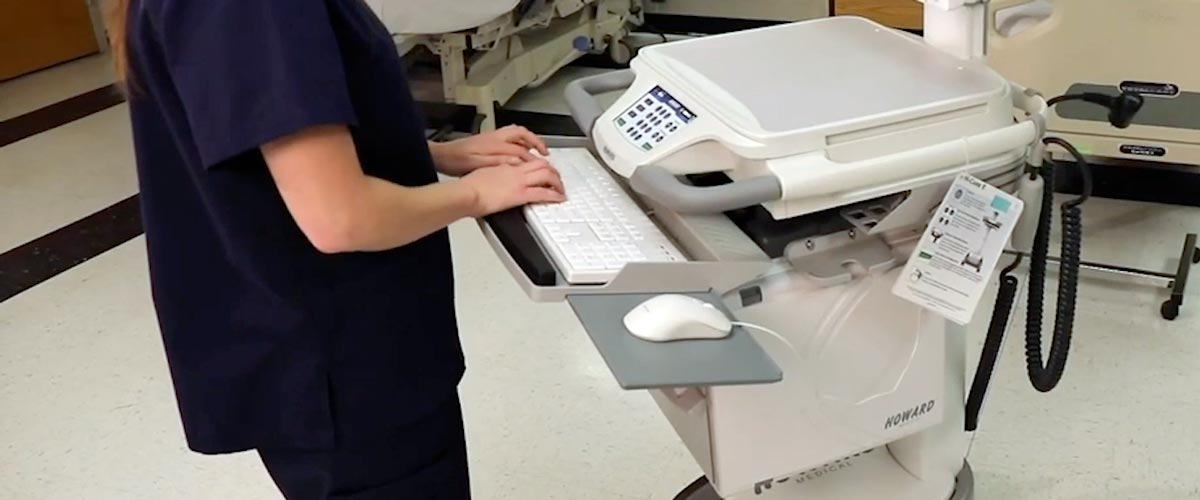
Go for carts with negative tilt keyboard trays and left/right mousing surfaces.

A 0 to -15 negative tilt keyboard tray helps maintain a neutral wrist position, reducing strain over repeated use. A mouse tray that slides out from the left or right side provides flexibility and comfort, allowing healthcare professionals to work efficiently without compromising ergonomics.

Ask us about negative tilt keyboard trays to see our most ergonomic workstations on the market.

EMR Workstation Ergonomics Medical Carts

4.)  Handle Orientation & Cushion

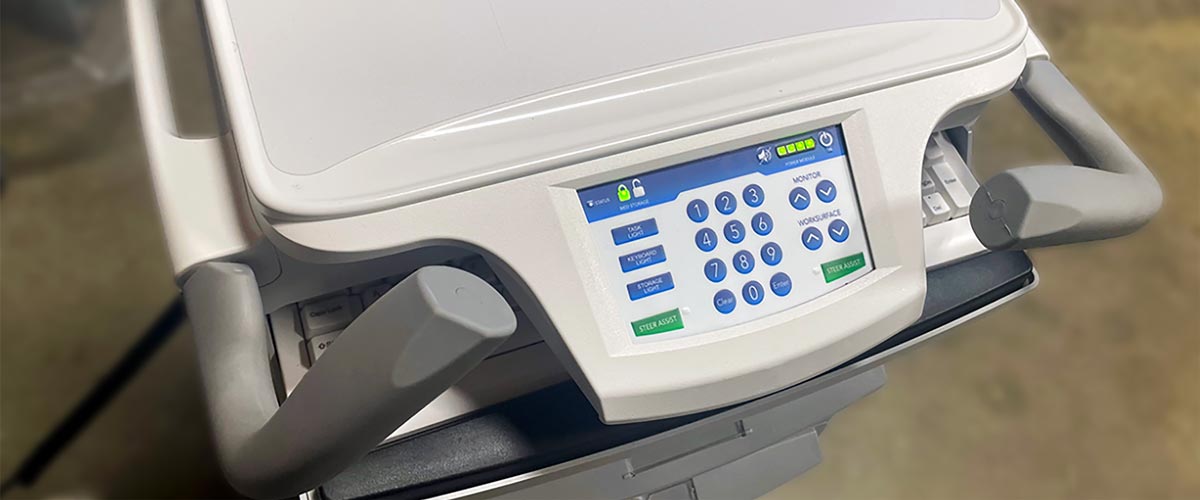
Proper handle orientation & cushioning reduces wrist strain from pushing and pulling by decreasing uncomfortable repetitive movements.

Ergonomically designed handles help prevent fatigue and injuries that ensure that staff can move carts comfortably and safely throughout their shifts.

From medical carts to powered and non-powered computer carts, we notice the importance of a handlebar on mobile workstations. View our selection of Workstations on Wheels to see our attention to detail.

Ergonomic Medical Carts WOWs

5.)  Maneuverability & Caster Types

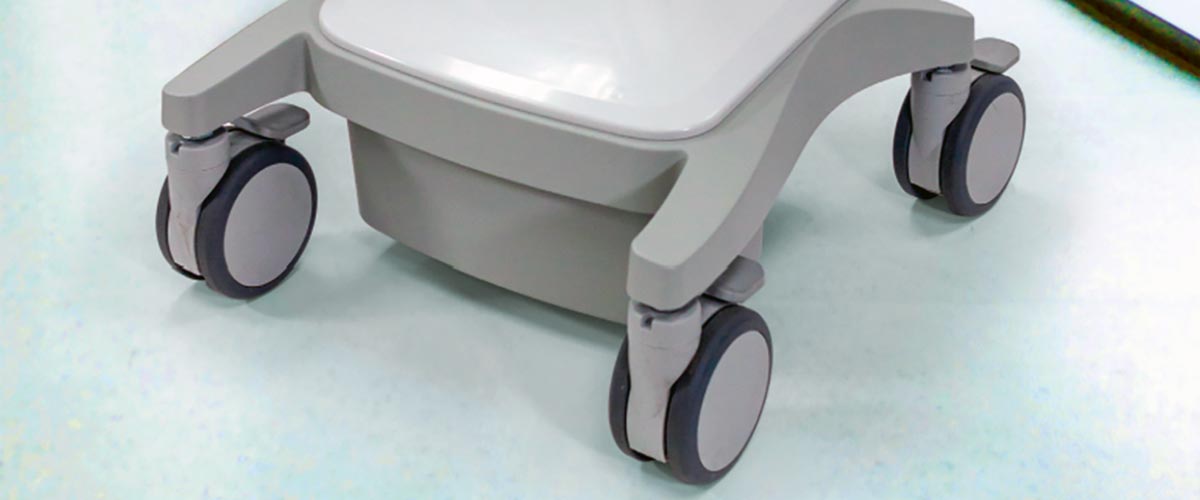
Choose computer carts with 4-5” dual wheel casters that require less push force.

The right caster size for your floors and cart weight reduce the push power needed, making it easier for staff to maneuver carts from room to room. Efficient maneuverability is crucial in a fast-paced healthcare environment, ensuring that medical staff can quickly and safely transport supplies and equipment.

Convergint- Innovative Medical will automatically select the best caster choice for your mobile workstation based on years of working with users first-hand.

EMR Ergonomic Workstations Convergint

EMR Ergonomics at Convergint-Innovative Medical

Prioritizing ergonomic designs in mobile workstations is essential for the health and efficiency of medical staff. By investing in workstations with sit-to-stand height adjustments, storage efficiency, ergonomic typing surfaces, proper handles, and appropriate caster types, healthcare facilities can significantly reduce the risk of injuries from repeated use and improve overall workflow.

With so many factors to consider in your EMR Workstation on Wheels selection, contact Convergint-Innovative Medical today to learn more about how we can help you create a safer, more efficient work environment for your medical staff.

Connect with our team at (800) 968-3135 or message us here to learn more about our excellent service and solutions.

Workstations on Wheels (WOWs) for Nurses

Nurses rely on technology throughout the day, but how that technology is delivered at the point of care can have a major impact on their workflow. Workstations on Wheels (WOWs) provide mobile access to electronic health records (EHRs), clinical applications, medication, and other supplies wherever care is being delivered.

But not every nursing workflow requires the same workstation. From lightweight mobile computing to medication administration and telehealth, different WOW designs and configurations can help healthcare teams build the right workstation around how nurses actually work.

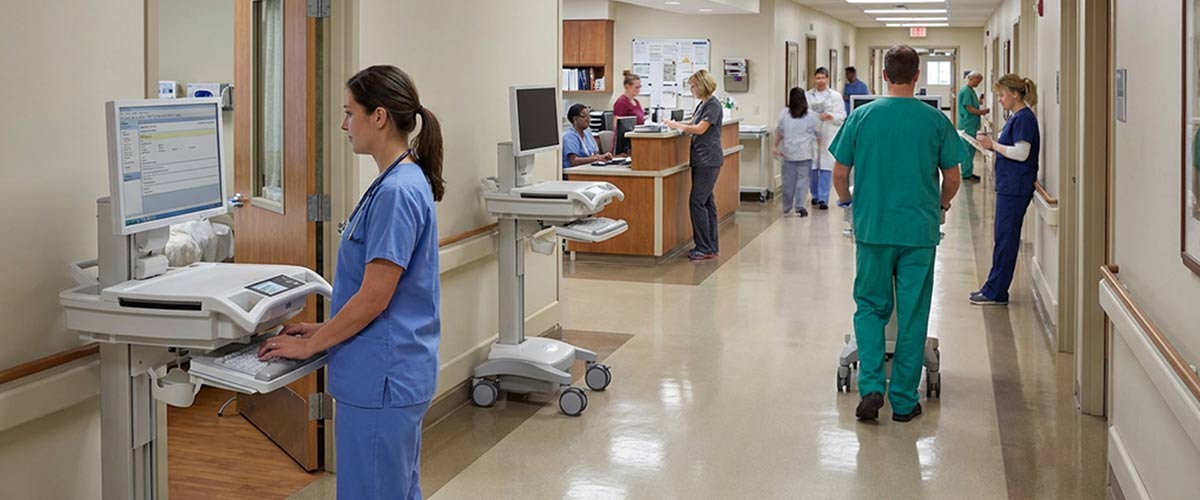
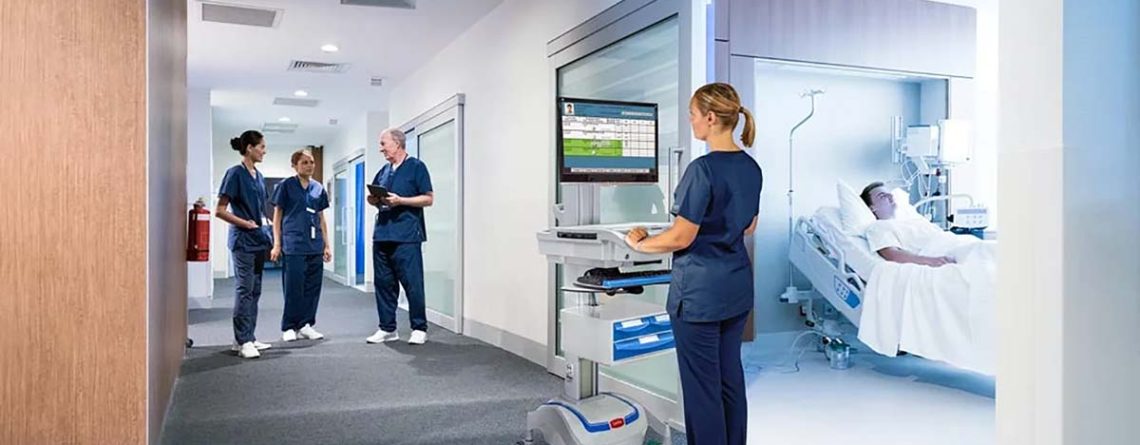
Multiple WOWs in a hospital hallway

What is a Workstation on Wheels?

A Workstation on Wheels (WOW), sometimes called a Computer on Wheels (COW) or a Medical Computer Cart, is a mobile cart that gives nurses and healthcare professionals a portable workspace with a computer, monitor, keyboard, mouse, and often additional peripherals such as barcode scanners and medication dispensing systems. They allow nurses to access essential patient data, electronic health records (EHRs), and clinical applications. Typically, WOWs have large rechargeable batteries to power the computer and peripherals, keeping WOWs running throughout an entire shift 8-12 hour shift.

For a broader introduction to workstation designs and configurations, learn more about Workstations on Wheels. Or, shop and compare our WOW offerings from multiple manufacturers.

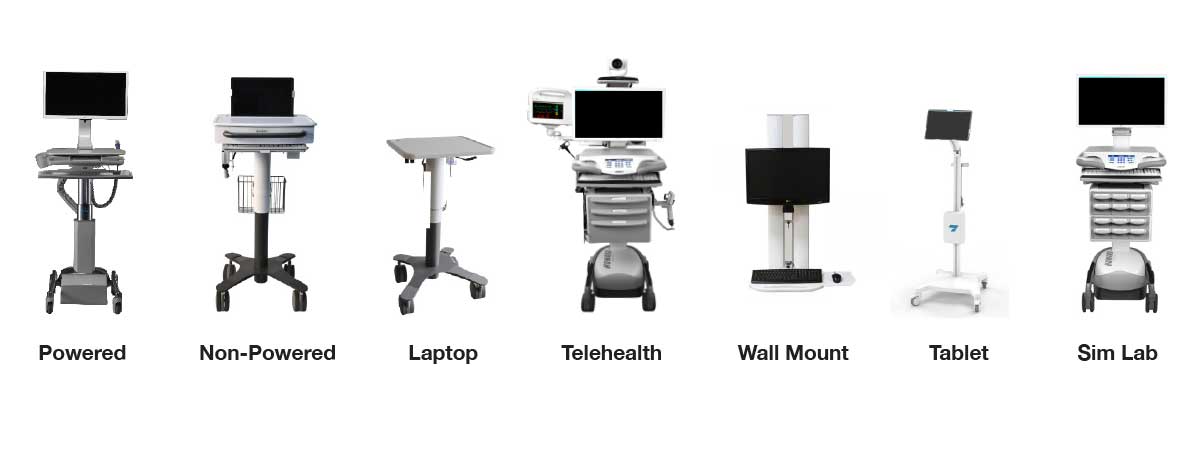
Various types of medical workstations

How Workstations on Wheels Shape Nursing Workflows

The right WOW depends on where it will be used, how often it will be used, what tasks nurses need to complete, and what technology needs to move with them. A workstation designed primarily for documentation may look very different from one supporting medication administration or virtual care.

Understanding the workflow first helps healthcare organizations determine which workstation design, power system, accessories, and configuration make the most sense at the point of care.

Point-of-Care Documentation and EHR Access

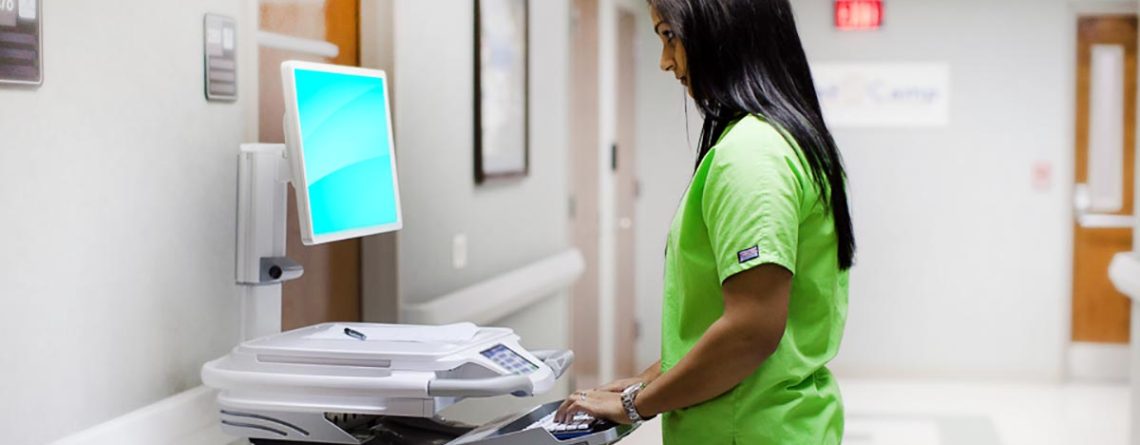
Mobile workstations give nurses access to patient information, electronic health records, and clinical applications without requiring repeated trips to a central nursing station.

Nurses can document assessments, interventions, and progress notes closer to the point of care, helping keep information accurate, current and accessible to other members of the care team.

For documentation-focused workflows, healthcare teams may prioritize mobility, battery runtime, monitor and keyboard ergonomics, barcode scanning, and a compact footprint that moves easily between patient rooms.

Medication Administration

Medication workflows introduce a different set of workstation requirements.

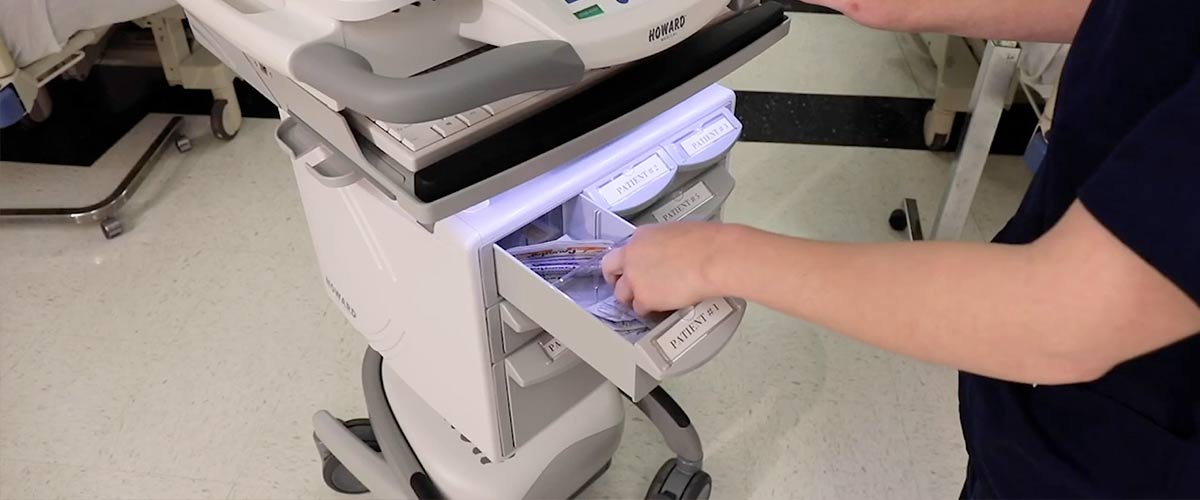
WOWs can be configured with barcode scanners, secure storage, and medication drawers to bring medication and documentation tools together at the bedside.

The appropriate configuration depends on the department’s workflow, storage requirements, technology, and security needs.

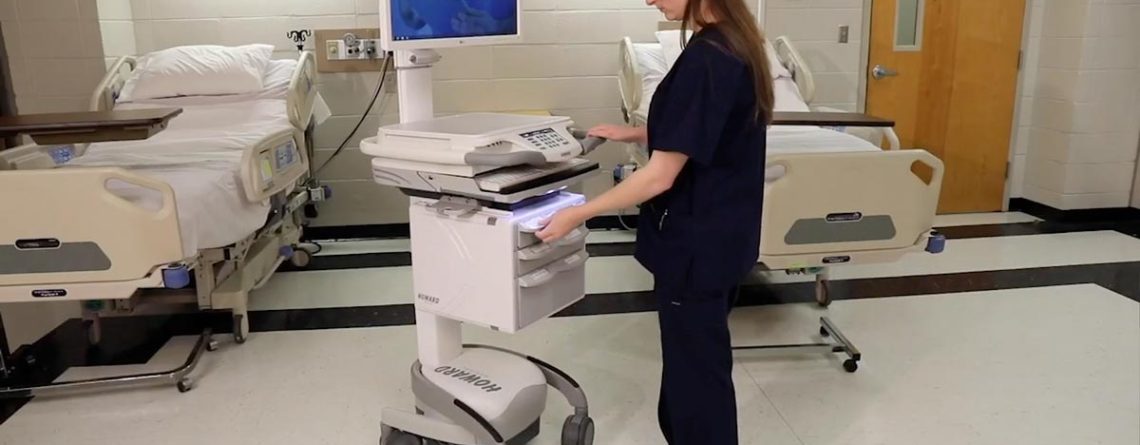
Medication administration on wow nursing cart

Mobility and Everyday Clinical Use

Nurses move constantly between patient rooms and clinical areas. A mobile workstation needs to move with them without becoming another obstacle in the workflow.

Cart footprint, maneuverability, wheel design, battery life, equipment placement, and access to frequently used peripherals can all affect how easily a workstation fits into everyday clinical use.

Bringing technology closer to the point of care can also reduce unnecessary trips between patient rooms and fixed workstations.

Ergonomics and Nurse Usability

A workstation may be used by multiple clinicians throughout a shift, making adjustability and usability important considerations.

Height adjustment, monitor positioning, keyboard placement, handle location, equipment accessibility, and maneuverability can all influence how comfortably nurses interact with a workstation.

A 2023 study found that 77% of nurses experienced work-related musculoskeletal diseases, primarily impacting the lower back, neck, and shoulders.

Rather than treating ergonomics as an accessory, healthcare teams should consider how the entire workstation configuration fits the people using it and the tasks they perform.

Patient Interaction

Mobile workstations allow nurses to access information and document care while remaining closer to the patient.

Depending on the workflow, nurses may use a WOW to review lab results, update charts, verify information, or discuss elements of the care plan at the bedside rather than moving back and forth to a stationary computer.

The workstation's physical design matters here as well. Screen placement, footprint, maneuverability, and equipment positioning can influence how naturally technology fits into the patient interaction.

Telehealth and Specialized Workflows

Some nursing workflows require more than a traditional documentation workstation.

WOWs can also be configured for telehealth and other specialized applications using displays, cameras, speakers, diagnostic equipment, and additional technology.

These applications demonstrate why selecting a workstation based on workflow is more effective than treating every WOW as the same piece of equipment.

Considerations When Choosing a Workstation on Wheels

Before selecting or configuring a WOW, healthcare teams should consider:

  • Workflow: What tasks will nurses perform using the workstation?
  • Mobility: Where will the workstation travel, and what physical environments must it navigate?
  • Power: How long does the workstation need to operate between charging cycles?
  • Technology: What computers, displays, scanners, printers, or other devices need to be integrated?
  • Storage: Does the workflow require medication, supply, or equipment storage?
  • Ergonomics: Can the workstation adjust to different users and working positions?
  • Cleaning: Are surfaces and components appropriate for the facility's cleaning and infection prevention protocols?

Different Workflows Need Different Workstations

There is no single Workstation on Wheels configuration that is perfect for every nursing workflow.

A lightweight workstation used primarily for documentation has different requirements than a medication cart, telehealth workstation, or mobile platform carrying multiple peripherals. The right solution starts with understanding what nurses need to accomplish at the point of care and then configuring the technology around that workflow.

Convergint-IMS works with numerous workstation manufacturers and technologies to help healthcare organizations evaluate, configure, integrate, and support solutions around their specific clinical environments.

Explore our Workstations on Wheels and mobile computer workstation solutions.


Medical Equipment & Healthcare Solutions

Connect with Convergint-IMS to discuss your workstation requirements and point-of-care workflows for a free personalized consultation from our product experts.

Ergonomic Medical Equipment Hospital Carts

Ergonomic Medical Equipment: Enhancing Patient Care

In the rapidly evolving landscape of healthcare, technology plays a pivotal role in improving patient care and streamlining medical processes. Among the many technological advancements, computer mounting systems and medical carts have emerged as indispensable tools for healthcare professionals. These versatile solutions offer a myriad of benefits, ranging from ergonomic advantages to enhanced patient care experiences. Let’s delve into the multifaceted advantages of computer mounting stations and carts in healthcare settings, emphasizing their ergonomic significance and impact on patient care quality.

The Ergonomic Advantage

Ergonomics, the science of designing and arranging objects to fit the human body and its movements, is of paramount importance in healthcare. The well-being of healthcare professionals, who often spend long hours working on computers, directly affects patient care. Computer mounting stations and carts are designed with ergonomics in mind, and here's how they benefit healthcare workers:

Adjustability: Ergonomic computer carts and mounting stations offer height and angle adjustments, allowing healthcare professionals to customize their workstation to suit their comfort. This adaptability minimizes strain on the neck, back, and shoulders, reducing the risk of work-related musculoskeletal disorders (WRMSDs).

Mobility: Mobile computer carts or workstations on wheels (WOW’s), facilitate easy movement within the healthcare facility, ensuring that medical professionals can reach patients promptly. This mobility also prevents the need for prolonged static postures, promoting better circulation and reducing the likelihood of discomfort or injury.

Space Efficiency: Compact design and efficient cable management systems reduce clutter around workstations, enhancing the overall workspace. This not only improves access to patient information but also reduces the risk of tripping hazards.

User-Friendly Interfaces: Ergonomic carts and mounting stations feature user-friendly interfaces, including height adjustment controls, screen tilt, and easy access to peripherals. These features simplify tasks for healthcare workers, reducing cognitive load and enhancing productivity.

Enhancing Patient Care

While ergonomic considerations are crucial for healthcare professionals, the ultimate goal is to enhance patient care. Computer mounting stations and carts contribute significantly to this endeavor in several ways:

Real-time Access to Patient Data: Healthcare workers can access patient records, test results, and medical histories instantly, improving the accuracy and speed of diagnosis and treatment. This access to critical information directly translates to better patient care.

Enhanced Communication: These stations enable seamless communication among healthcare providers, fostering collaboration and quick decision-making. Interdisciplinary teams can share information and coordinate care plans efficiently, leading to more comprehensive patient care.

Medication Management: Computer carts often include secure compartments for medications and equipment. This ensures that medications are stored safely and can be administered accurately, reducing the risk of medication errors.

Telehealth and Telemedicine: In an age of telehealth, computer mounting stations facilitate virtual consultations and remote monitoring of patients. This technology extends healthcare services to remote or underserved areas, improving patient access to care.

Patient Education: Healthcare professionals can use computers to educate patients about their conditions, treatment options, and preventive measures. This empowers patients to make informed decisions and take an active role in their healthcare.

Efficient Documentation: Electronic health records (EHRs) can be updated promptly at the point of care using computer carts. This reduces paperwork, minimizes errors, and ensures that patient information is consistently up to date.

“As healthcare continues to evolve, the role of technology in promoting better patient care and outcomes will only become more significant, making computer mounting stations and other patient care equipment indispensable assets in hospitals and healthcare facilities worldwide.”

Improving Patient Experience

The patient experience is a critical aspect of healthcare, and computer mounting stations and carts can positively influence it in several ways:

Reduced Wait Times: Faster access to information and more efficient care coordination means reduced wait times for patients. This can alleviate anxiety and frustration, contributing to a more positive experience.

Personalized Care: With instant access to patient records, healthcare providers can tailor their care plans to individual patient needs. This personalization fosters trust and confidence in the healthcare system.

Better Informed Decisions: Patients appreciate healthcare providers who can explain their conditions and treatment options thoroughly. Computer stations enable healthcare professionals to share visual aids and educational materials, enhancing patient understanding.

Privacy and Security: Our computer cart solutions use locking PC compartments to keep computers and laptops secure. They provide a secure, modular space to accommodate future technology changes such as a new PC or laptop, any new technology added on, and plenty of cable management room to store it all. Other options include single sign-on device mounting or locking cables for “tabletop” style laptop carts.

Efficiency and Accuracy: Efficient use of technology leads to fewer errors and smoother processes. Patients are more likely to trust a healthcare system that operates efficiently and delivers accurate care.

Computer mounting stations and medical carts have become integral components of modern healthcare, serving as ergonomic workstations that enhance patient care experiences. These versatile tools offer numerous benefits, from ergonomic advantages that protect healthcare workers' well-being to improved patient care quality and enhanced patient experiences.

As healthcare continues to evolve, the role of technology in promoting better patient care and outcomes will only become more significant, making computer mounting stations and other ergonomic medical equipment indispensable assets in hospitals and healthcare facilities worldwide.


Medical Equipment & Healthcare Solutions

Connect with Convergint at (800) 968-3135 to learn more about our commitment to delivering exceptional results to our customers through unparalleled customer service.

covid-19-vaccine

Vaccine Carts: Highly Mobile & Customizable

Are you looking for solutions to meet the high demand for the COVID-19 vaccine rollout? We have mobile solutions available to quickly set up vaccine stations without taxing your current carts and equipment. These solutions provide your team a dedicated place to administer injections, testing and data-entry record keeping.

Our Medical Grade Vaccine Carts are available in powered or non-powered models, all with sit-to-stand capabilities. Options can include lockable storage drawers and baskets for supplies, sharps disposal containers, sani-wipe holders, waste bins, hand sanitizer holders, and other accessories to meet your workflow needs. The carts arrive fully assembled ready to add your technology and deploy into action.

“We have provided thousands of carts for hundreds of facilities and can help find the perfect solution to meet your needs too.”

With Federal funding grants available, our affordable vaccine stations can be re-purposed after the pandemic to use for charting and bedside data-entry.

Our customers include hospitals, healthcare agencies, clinics, pharmacies, and even temporary outdoor clinics for both COVID testing and vaccinating. Convergint has over 30 years of experience in finding solutions for our customers, and meeting the needs of healthcare professionals. We have provided thousands of carts for hundreds of facilities and can help find the perfect solution to meet your needs too.


Medical Equipment & Healthcare Solutions

Connect with Convergint at (800) 968-3135 to learn more about our commitment to delivering exceptional results to our customers through unparalleled customer service.

WOW Workstation on Wheels

WOW: Workstation on Wheels

A Workstation on Wheels (WOW), also known as a Computer on Wheels (COW), is a mobile computer workstation that brings EHR access and EMR data entry directly to the point of care. WOWs typically include a computer, 24" monitor, keyboard, mouse, barcode scanner, and other accessories tailored to the healthcare workflow.

Convergint-IMS offers Workstations on Wheels from multiple manufacturers, with options ranging from lightweight non-powered carts to fully powered workstations. Depending on the application, WOWs can support RFID badge readers, secure locking drawers for medication distribution, barcode scanners, label printers, general supply storage, and more.

Powered WOWs include onboard battery systems that can support several hours of mobile computing away from wall power. Non-powered configurations offer a lighter, simplified option for workflows where continuous onboard power is not required.

Different clinical applications may call for different workstation designs, power systems, accessories, and configurations. Learn more about how different Workstations on Wheels can shape nursing workflows or explore our Workstation on Wheels solutions to compare options for your healthcare environment.

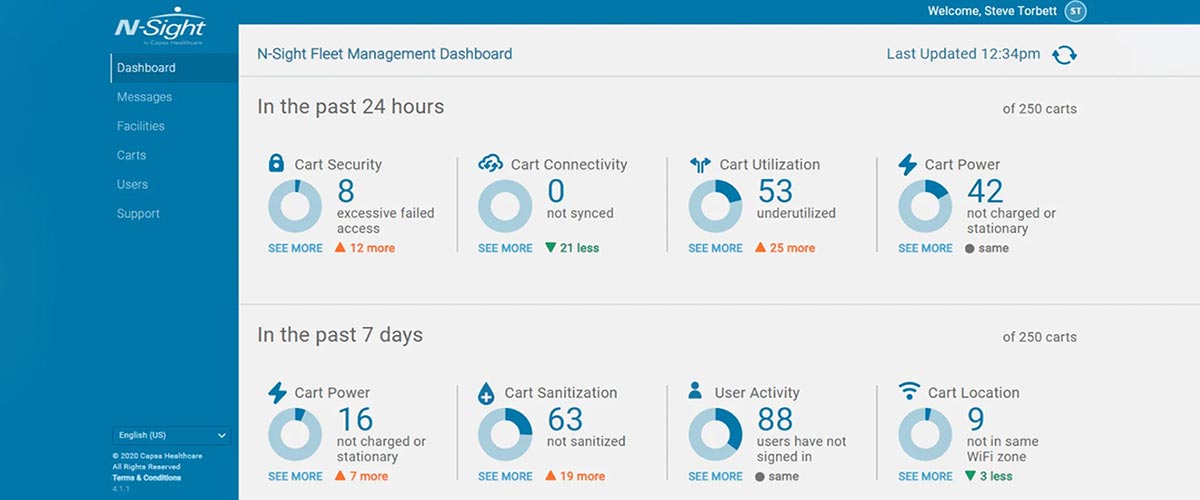
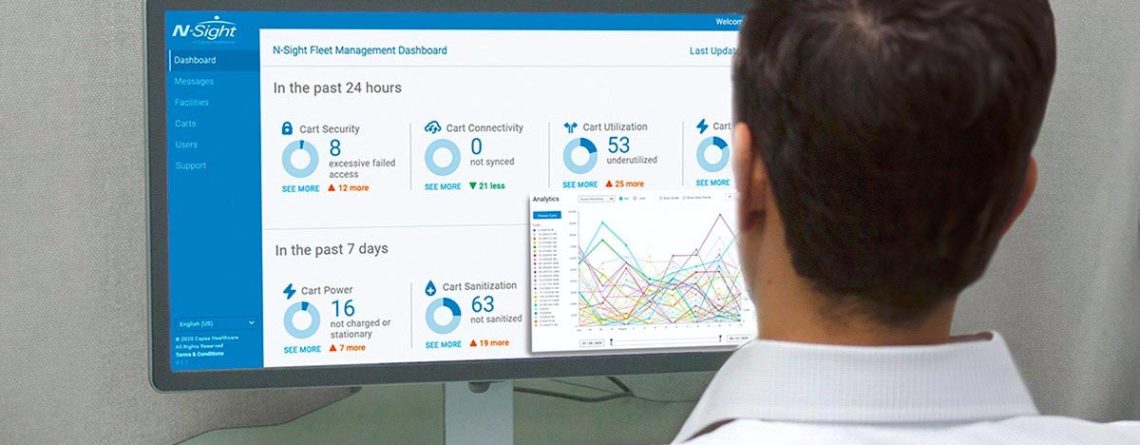
Because WOWs operate in 24/7 healthcare environments, they require regular maintenance to support and extend long-term performance. Convergint-IMS has supported WOW fleets and Patient Security Systems for decades. We provide ongoing services and support for the WOW solutions we sell, including comprehensive preventive maintenance programs designed around healthcare environments.

“Our support and preventive maintenance plans are developed to truly prevent unexpected failures, extend the lifespan of the carts, and save our customers money by replacing their carts less often.”

For example, one long-term customer purchased more than 800 WOWs from us, representing a significant technology investment. To help protect that investment, they contracted Convergint to perform preventive maintenance (PM) every two years.

During each PM visit, we clean filters, replace worn parts, and check each system. These routine steps have helped keep their fleet performing over the long term. Many WOWs from that original purchase are still in daily use nearly 13 years later and are only now being considered for replacement.

This case demonstrates an important point: investing in quality equipment, combined with consistent maintenance, can help extend the useful life of a WOW fleet.

Our preventive maintenance plans are designed to stop failures before they happen, keep carts running efficiently, and save customers money by reducing replacement needs. In short, we help you get the most from every WOW you own.


Medical Equipment & Healthcare Solutions

Connect with a specialist to explore our Workstation on Wheels options and get the best recommendations for your hospital's needs.