
Healthcare Insights

EHR Documentation Point of Care Solutions

Best Practices for EHR Documentation

Electronic Health Records (EHRs) have revolutionized healthcare by streamlining patient information management, improving communication among healthcare providers, and enhancing patient care. However, the effectiveness of EHRs largely depends on how they are utilized, and proper documentation practices play a pivotal role in optimizing their benefits.

In this article, we will delve into the best practices for EHR documentation and highlight how they significantly contribute to improved patient care.

Understanding the Purpose of EHR Documentation

To embark on the journey of effective EHR documentation, it is essential to comprehend the multifaceted purposes it serves. EHR documentation isn't merely a record-keeping task; it is a fundamental element of patient care that affects diagnosis, treatment, and overall healthcare outcomes.

1.) Accurate Clinical Decision-Making

Effective EHR documentation provides healthcare providers with comprehensive patient data, including medical history, allergies, medications, and recent test results. This wealth of information empowers clinicians to make informed and accurate decisions, which directly influence patient care. For example, knowing a patient's allergy history can prevent potentially life-threatening medication errors.

EHR documentation involves the use of electronic devices like tablets for recording patient information right at the patient’s bedside. Point of care (POC) solutions may encompass various options, such as hospital computer carts, computer mounting systems, or medical carts like the Avalo Medical Carts from Capsa Healthcare.

2.) Seamless Care Coordination

When EHR documentation is standardized and well-organized, it facilitates seamless care coordination among different healthcare providers and specialties. Specialists can access a patient's complete medical history, reducing redundant tests and treatments, which not only improves patient care but also reduces healthcare costs.

3.) Patient Engagement

EHRs can empower patients to take an active role in their healthcare. When patients can access their EHRs, review their medical history, and understand treatment plans, it fosters a sense of engagement and collaboration. Informed patients are more likely to adhere to treatment regimens and actively participate in their care.

Best Practices for Effective EHR Documentation

Now, let's look into the best practices for EHR documentation, emphasizing how each practice contributes to better patient care.

1. Real-Time Documentation

Documenting patient encounters in real-time is essential for accuracy and immediate decision-making. Delayed or retrospective documentation can lead to errors, omissions, and miscommunications that may negatively impact patient care. When healthcare providers document in real-time, they ensure that the patient's chart is always up-to-date and reflective of the most recent information.

2. Structured Data Entry

Structured data entry methods, such as dropdown menus, checkboxes, and predefined fields, enhance EHR documentation's accuracy and efficiency. This approach minimizes the likelihood of typographical errors and ensures that essential information is consistently captured. Structured data also facilitates data analysis, allowing healthcare providers to identify trends and potential health risks more easily.

3. Focusing on Relevance

Effective EHR documentation is about capturing relevant information. Healthcare providers should avoid excessive copying and pasting from previous notes, as this can lead to cluttered records filled with irrelevant data. Each entry should pertain specifically to the patient encounter and contribute directly to the patient's care plan, promoting a more efficient and focused approach to treatment.

4. Correcting Errors Transparently

Mistakes in EHR documentation can have serious consequences for patient care. Transparently correcting errors and maintaining an audit trail of changes is vital. This practice ensures that healthcare providers and other authorized personnel can easily identify and understand corrections made to the patient's record. Clear documentation of errors and corrections also supports transparency and accountability in patient care.

5. Ensuring Privacy and Security

Maintaining the privacy and security of patient information is not just a legal requirement (as mandated by HIPAA), but it also directly impacts patient care. Patients must trust that their health information is kept confidential and secure. Breaches of privacy can erode patient trust and may even lead to patients withholding crucial information, which could impede accurate diagnosis and treatment.

“The implementation of EHR documentation best practices is essential to ensure the delivery of high-quality patient care. Nevertheless, harnessing cutting-edge technological solutions can greatly enhance the efficiency and precision of these practices.”

6. Using Descriptive Language

Clear and descriptive language is vital in EHR documentation. Using unambiguous terms and descriptions helps ensure that healthcare providers can easily understand the patient's condition and treatment plan. Ambiguity or vague language can lead to misinterpretation and potentially harmful decisions.

7. Incorporating Patient Information

Effective EHR documentation includes not only clinical data but also relevant patient information. This encompasses details such as social determinants of health, patient preferences, and psychosocial factors that may impact healthcare decisions. This holistic approach to documentation ensures a more comprehensive understanding of the patient's health and aids in tailoring care plans to individual needs.

8. Maintaining Chronological Order

EHR entries should be maintained in chronological order to create a clear timeline of the patient's medical history. A chronological view helps healthcare providers track the patient's progress, identify trends, and make informed decisions based on the sequence of events. This practice is particularly crucial when managing chronic conditions or following up on complex medical histories.

9. Limiting Abbreviations

While abbreviations may save time, they can also lead to miscommunication and errors in patient care. It is essential to limit the use of abbreviations, especially non-standard ones. If abbreviations are necessary, a standardized list within the EHR system can mitigate confusion and improve clarity.

10. Reviewing and Signing Entries

Before validating entries, healthcare providers should diligently review their documentation for accuracy and completeness. Electronic signatures serve not only to authenticate the authorship of the documentation but also as a testament to the provider's accountability for the care delivered. Errors or omissions in documentation can be addressed promptly before they impact patient care.

11. Consistency with Paper Records

In situations where healthcare organizations maintain both electronic and paper records, it is crucial to ensure that electronic documentation mirrors the format and content of paper records. This consistency enables a seamless transition between systems and ensures continuity of care, enhancing patient safety.

12. Staff Training and Education

Providing ongoing training and education to healthcare professionals is essential for effective EHR documentation. Continuous learning ensures that providers are proficient in using the EHR system effectively and aligning their documentation practices with best practices and organizational standards. Well-trained staff are better equipped to provide high-quality care.

13. Enhancing Communication

EHR systems offer a platform for secure communication among healthcare team members. Effective communication through EHRs improves care coordination and ensures that all relevant healthcare providers are informed about important updates, test results, and treatment plans. Timely communication fosters collaboration and helps prevent errors or delays in patient care.

14. Avoiding Copy-Pasting for Cloning

Copying and pasting large sections of text, also known as cloning, can compromise the accuracy of EHR documentation. Each patient encounter is unique, and documentation should reflect this by tailoring the information to the specific context. Avoiding excessive copying and pasting ensures that patient care is personalized and appropriate for each situation.

15. Being Mindful of Legal Implications

EHR documentation carries legal implications. Accurate and comprehensive records can protect healthcare providers in legal disputes, while incomplete or erroneous documentation can have adverse consequences. Awareness of the legal ramifications underscores the importance of precise and thorough EHR documentation in safeguarding patient care.

16. Conducting Regular Audits

Regular audits of EHR documentation are essential to ensure compliance with organizational policies, regulatory requirements, and best practices. Audits help maintain data integrity and quality, contributing to accurate patient records and, consequently, improved patient care.

Point of Care Solutions from Convergint-IMS

The implementation of EHR documentation best practices is essential to ensure the delivery of high-quality patient care. Nevertheless, harnessing cutting-edge technological solutions can greatly enhance the efficiency and precision of these practices.

At Convergint-IMS, we harness innovative technology to provide adaptable and dependable point-of-care solutions. These solutions are designed to streamline workflow processes and facilitate seamless communication between patients and healthcare teams. Featuring a user-friendly interface and robust capabilities, our solutions enable you to access and record patient information directly at the point of care, thereby enhancing accuracy, timeliness, and ultimately, the overall outcomes of patient care.


Medical Equipment & Healthcare Solutions

Connect with Convergint at (800) 968-3135 to learn more about our commitment to delivering exceptional results to our customers through unparalleled customer service.


Top 10 Healthcare Trends in 2022

Top 10 Healthcare Trends in 2022

1.) There are now 784,626 healthcare businesses in the United States alone, and this figure is constantly increasing.

The US boasts the biggest healthcare system globally, and its increasing business numbers and revenue. According to PolicyAdvice, Patient care accounts for $1.068 trillion or 64% of the US’s healthcare revenue. Meanwhile, inpatient care, which includes skilled nursing rehabilitation and non-surgical dental interventions, makes up 4.49% and 2.98%, respectively.


2.) Healthcare is the third-largest industry in the U.S.

Since 2020, healthcare spending has accounted for 19.7% of the U.S. economy, which was a dramatic increase from 5% just 60 years ago. According to Zippia, this growth represents a range of factors, from new healthcare treatments and services to better coverage, higher utilization, and rising prices across many of the industry’s sectors.


3.) The use of digitalization in healthcare institutions is promoted by 92% of suppliers of various healthcare solutions.

Digitalization in healthcare helps to reduce costs, increase productivity, and avoid time-restricted diagnoses. The rise of digitalization promotion makes it a great time to invest in digital healthcare trends and equipment. According to PolicyAdvice, Experts predict a massive acceleration of digital technology in healthcare, which includes cloud computing, data security, and other tools.


4.) One in seven people (14%) who used telehealth said they would have sought care in an emergency department or urgent care if telehealth was not available.

This survey conducted showcased that access to telehealth effectively kept people out of the emergency department. More than half of those 14% of people who used telehealth had their primary health issue resolved.


5.) The average healthcare employee earns $60,976 a year in the US.

According to health statistics, healthcare is the largest source of employment in the U.S..) employing an average of 1 in 8 citizens. The health industry is also one of the highest paying industries, reaching well above the national average ($47,060).

“It’s important to keep up on relevant news stories, information, and press releases to stay informed and update processes as the industry continues to change and grow.”

6.) Healthcare is the largest and fastest-growing industry.

Healthcare is the largest and fastest-growing industry in the U.S. and globally. It is predicted that between 2020 and 2030 employment in healthcare occupations is expected to grow by at least 16%.


7.) As of 2020, one-third of U.S. adults had a telehealth visit for themselves or a dependent.

As digitalization is on the rise, so are telehealth and telemedicine. Telehealth visits are rapidly becoming more popular, and the growth in telehealth users is expected to boom within the years to come.


8.) 86% of physicians believe data interoperability will significantly cut the time to diagnosis.

Physicians recognize the importance of having the right information at the right time. According to Google, virtually all physicians (96%) agree that easier access to critical information may help save a patient’s life and 95% believe increased data interoperability will ultimately help improve patient outcomes. For more information on our telehealth products click here.


9.) According to U.S. adults, factors that are important when interacting with healthcare include:

  • Ease of access to care (89%)
  • Privacy (89%)
  • Data security (88%)
  • Getting personalized care (88%)
  • Having a care provider close to home or work (85%)
  • Healthcare costs (85%)
  • Coordination among all healthcare providers (84%)
  • Being able to monitor their own health (75%)
  • Access to a health coach (68%)


10.) The most common purpose for a telehealth visit was a preventive service, prescription refill, or routine visit for a chronic illness (63%).

As virtual visits continue to increase in popularity, they’re becoming more common for simplistic and routine visits.

The healthcare industry will continue to grow and evolve daily, as will the trends, technology, and statistics. It’s important to keep up on relevant news stories, information, and press releases to stay informed and update processes as the industry continues to change and grow.


Medical Equipment & Healthcare Solutions

Connect with Convergint at (800) 968-3135 to learn more about our commitment to delivering exceptional results to our customers through unparalleled customer service.
Low Cost of Ownership

Determining Value & Low Cost of Ownership

When you build a home, it might seem tempting to simply accept the lowest bid. It may seem like a good idea in the short term, but what happens in 2, 5, or 10 years? Does that low bid translate into hidden costs like repairs, shortcuts, or replacements? What is your total cost of ownership?

If you choose on the initial price alone, you might be asking:

  • Did they cut corners to complete the job?
  • Are they committed to quality or just focused on quick work?
  • Are they inexperienced?

Let’s dig into why “lowest bidder” is rarely the best long-term decision, especially in the world of healthcare equipment.

The Risks of Choosing the Lowest Bidder

  • Compromised quality: Materials or craftsmanship that don’t stand the test of time
  • Hidden cost escalation: More repairs, maintenance, or replacements later
  • Lack of accountability or support: No backup if things go wrong
  • Misaligned incentives: The vendor is more focused on closing deals than lasting relationships


What “Best Value” Really Means

We don’t want to overpay and award work to the highest bidder. So what do we really want?

What we should be seeking is lowest total cost of ownership, not lowest purchase price. That includes:

  • Product lifespan
  • Reliability & performance
  • Service, support, and warranty
  • Upgradability and flexibility


Determining the Best Value

How do we determine the best value and lowest long-term cost of ownership?

  • Vendor experience & track record: Do they specialize in your niche? How long have they been in business? Do they have other satisfied customers?

  • Level of Service: Do you communicate well with your sales representative? Are you satisfied with their level of service? Do they offer preventive maintenance, integration services, or on-site support? Do they provide flexibility in customization of products and services?

  • Product Testing: How long has the vendor been providing this product? How long on average do these last before replacement or repair is needed? Can you trial units before commitment?

  • Repairs & Add Ons vs. Replacements: Do they offer modular add on accessories? Are repair parts low cost? What would warrant a full replacement of the product?

  • Transparency in Pricing: Are there hidden fees? What are the freight costs? Are there any recurring fees?


How Cost of Ownership Applies to Medical Equipment

Consider computer carts and medical carts. If you pick just the cheapest, you’ll often see:

  • Shorter lifespan
  • Failures or compatibility issues
  • Higher maintenance burden
  • Poor vendor responsiveness


At Convergint-Innovative Medical, our approach is different:

  • We prioritize proven, best-in-class products
  • Pre-sales assistance defining the best product, customizations, and tailored fits for your needs
  • Virtual & onsite demonstrations to ensure the solution fits
  • Product delivery ownership, coordination, and communication
  • If needed, onsite integration with your technology
  • Preventative maintenance plans
  • Break-fix service both on-site and remote
  • Modular upgrades and add-ons to support long-term adaptations


Conclusion & Takeaway

So while the low bidder may appear appealing up front, the risks and long-term costs of ownership often outweigh the savings. When you're choosing a vendor or product, aim for value — not just a low price tag.

Ask yourself: Is the low bid really giving you what you’ll need down the road?


If you want to dig deeper into evaluating medical equipment in our niche or discussing your specific project, connect with us — we’re happy to help.

Enhanced Infection Control Labor Delivery Furniture

Enhanced Infection Control

With the increased focus on infection control within the hospital environment, every little detail counts. There is no better time than the present to increase your ability to control the spread of infection than with a medical cart that has antimicrobial properties built into the materials it is made from. These antimicrobial properties have never been more important than with the spread of COVID-19 and other infectious diseases.

Consider all the surfaces encountered during a busy day in the hospital. A medical supply cart can be one of the most highly touched and infected surfaces which a medical professional can encounter. If you are continually wiping these surfaces down and they are not fluid resistant, (e.g., wood) these surfaces can break down and absorb fluids, which is not acceptable in a healthcare setting.

Convergint Innovative Medical is always looking for products optimally designed for use in the hospital, and our cart manufacturer has brought us something unique, an Antimicrobial Polymer cart material.

“Antimicrobial Polymer material can be made into any configuration of cart, bassinet, or cabinet you may need. We offer standard configurations and specializes in cost-effectively tailoring these carts to your specific workflow. ”

Antimicrobial Polymer is a very strong, scratch-resistant, color-through material with antimicrobial properties built into the material. It is easy to clean and stands up to all hospital germicidal solutions. This polymer is FDA-approved and LEED qualified.

These days, the labor and delivery environment is expected to “look like home” as much as it is expected to manage ever-growing technology. We offer solutions that perform reliably against the demands of the 24/7/365 healthcare ecosystem.

Antimicrobial Polymer material can be made into any configuration of cart, bassinet, or cabinet you may need. Convergint Innovative Medical offers standard configurations and specializes in cost-effectively tailoring these carts to your specific workflow. Or we can custom design cart solutions to minimize error-prone ‘work arounds’ as well as integrating with LDR(P) room design or hospital décor.

We are happy to work with you to find a perfect solution for your antimicrobial cart needs!


Medical Equipment & Healthcare Solutions

Connect with Convergint at (800) 968-3135 to learn more about our antimicrobial and infection control offerings.

Uptick in COVID-19

An Uptick in COVID-19

Unfortunately, your team may be preparing for an increase in COVID-19 patients. We are here to help. We are working hard to help supply screening area carts ranging from tablet roll stands, kiosks, to full size carts that can be outfitted with all the technology and tools you need. Additionally, because these carts are manufactured in the U.S.A. lead times are very reasonable.

Cart solutions for telehealth, isolation, temperature detection and COVID screening are:

  • Versatile
  • Customizable
  • Ready to use
  • Arrive fully assembled and ready to deploy

Give our office a call at 1 (800) 968-3135 or message us here to discuss your COVID-19 strategy.


Medical Equipment & Healthcare Solutions

Connect with Convergint at (800) 968-3135 to learn more about our commitment to delivering exceptional results to our customers through unparalleled customer service.

2019 Healthcare Statistics

2019 Healthcare Statistics

Tis' the season to plan costumes, shop for candy, watch horror movies, jaunt through the local haunted house and simply get your scare gene tickled. In keeping with that theme, let's talk shocking 2019 healthcare statistics, frightening stats that make you shutter!

  • US life expectancy declines for third straight year. The average life expectancy in the U.S. has been on the decline for three consecutive years. A baby born in 2017 is expected to live to be 78.6 years old, which is down from 78.7 the year before, according to data from the Centers for Disease Control and Prevention’s National Center for Health Statistics.
  • NOT buying a quality workstation on wheels can cost you. See how one of our hospitals saved over $3.5 million! Look at the long term costs of your investment.
  • One million more nurses are needed in the workforce in order to avoid further nurse shortages in the United States, according to The US Bureau of Labor Statistics.
  • The Centers for Disease Control and Prevention estimates that the total "economic burden" of prescription opioid misuse alone in the United States is $78.5 billion a year, including the costs of healthcare, lost productivity, addiction treatment, and criminal justice involvement.
  • According to the American Nurses Association, 1 out of 4 nurses are assaulted on the job. Hospitals that invest in a quality staff duress system are making an important first step.

“On any given day, about one in 31 hospital patients has at least one healthcare-associated infection. Imagine how automating hand hygiene compliance could help your facility.”

  • Halloween retail spending was estimated at $9 billion in 2018. Spending a record $86.79 per person, according to the National Retail Federation's annual survey.
  • On any given day, about one in 31 hospital patients has at least one healthcare-associated infection. Imagine how automating hand hygiene compliance could help your facility.
  • Health spending is projected to grow 0.8 percentage point faster than Gross Domestic Product (GDP) per year over the 2018-27 period; as a result, the health share of GDP is expected to rise from 17.9 percent in 2017 to 19.4 percent by 2027.
  • According to the most recent Behavioral Risk Factor Surveillance System (BRFSS) data, adult obesity rates now exceed 35% in nine states, 30% in 31 states and 25% in 48 states. Mississippi and West Virginia have the highest adult obesity rate at 39.5% and Colorado has the lowest at 23%.
  • The United States will see a shortage of up to nearly 122,000 physicians by 2032 as demand for physicians continues to grow faster than supply, according to new data published today by the AAMC (Association of American Medical Colleges).
  • The top five Halloween costumes for adults are witch, vampire, zombie, pirate, and Avengers character. The top five for children were princess, superhero, Batman, Star Wars character, and witch according to the National Retail Federation's annual survey.
  • A hospital reported an average of one million alarms going off in a single week.
  • Nurses have superpowers. Ability to lift patients twice their size. Bladders of steel to survive beyond-busy shifts. Laser-beam focus to juggle multiple patients. Lightning-quick response to emergencies and unexpected contingencies. Maybe not a study to verify, but they do, I can’t imagine anyone would disagree.

Medical Equipment & Healthcare Solutions

Connect with Convergint at (800) 968-3135 to learn more about our commitment to delivering exceptional results to our customers through unparalleled customer service.

Buyer's Remorse Convergint Innovative Medical Solutions

Buyer’s Remorse – Making An Educated Decision

We all experience buyer’s remorse at one time or another. It rears its ugly head when the product or service did not live up to its expectations. Now you are stuck and often have no recourse to rectify the situation. Let’s move that same scenario into the workplace.

What happens when you are charged with making a capital investment buying decision? Your facility and possibly even your career cannot afford for you to have buyer’s remorse. Imagine making a multi-million dollar investment only to not have clinicians properly use the system. GULP! Tt happens especially when a system champion moves onto another project or another department.

After more than 30 years in the business, we have heard many buyer remorse stories

Computer Carts: There are occasions when we lose a sale due to price and when that happens, we often wonder if ROI is truly getting measured or was it simply based on price. In a recent conversation with a new customer we learned we lost the bid because of price and now a year later they were calling to have us re-quote some new carts. They quickly realized the carts they purchased were falling apart not even a year later. Clinicians were complaining about broken drawers, difficulty pushing around, and wheels getting wobbly. Remember how it feels to get that shopping cart with an off wheel? Imagine pushing a cart with wheels that do not operate the way they should. Maddening!!!

Infrastructure: Another time, we found a hospital that made a significant investment in an infrastructure that was not operational. WHAT? The company that sold the system did not ask all the questions up front and then did not follow thru on servicing the system after the sale to ensure that it was operating appropriately. Sales at Convergint, especially ugly system sales are not one and done! We offer ongoing support years after the initial installation to insure it is operating and delivering to your expectations. Is that why we have the first patient security system we installed 20 years ago still operating successfully?

“Purchasing reliable equipment should not create buyers remorse especially when you work with a trusted vendor who has a solid reputation within the healthcare industry.”

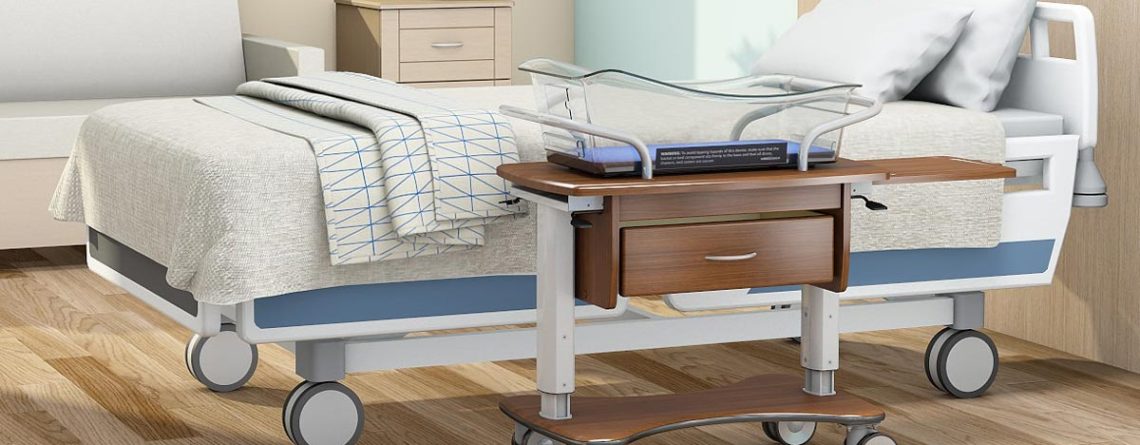
Wooden Bassinet: In a recent visit to an OB unit, we saw some well-worn bassinets and assumed they were very old. Upon further questioning, we found they were not that old, but were becoming gummy because the finish could not withstand the chemicals used to sanitize them. Again, asking questions is what we do, and what we do well. Since they did not realize the wood finish would not hold up, they are now stuck with these bassinets and should Joint Commission inspect, they could face an even bigger issue with non-compliant bassinets.

Making a decision on purchasing the right capital equipment is no easy task! Typically, one does their homework researching the needs of the clinicians, brands, options and gathers an understanding of the workflow involved. Then they talk to various vendors to find a company that will deliver the product that fits these needs. More complex systems and integrations require even more questions and many of those should come from the vendor, a consultative-educational approach is critical, especially with all the new technologies that are disrupting the marketplace.

When your facility is standardized on equipment, like many are, there may not be many options to choose from. Fortunately, our 30-year reputation in the marketplace has afforded us an opportunity to get signed Master Sales and Service Agreements (MSSA) into place for many IDN’s. Meaning that doing business with us is still an option.


Either way, purchasing reliable equipment should not create buyers remorse especially when you work with a trusted vendor who has a solid reputation within the healthcare industry. Our next blog is our buying guide on what questions to ask so that you can avoid buyer’s remorse when making your next capital investment.

Medical Equipment & Healthcare Solutions

Connect with Convergint at (800) 968-3135 to learn more about our commitment to delivering exceptional results to our customers through unparalleled customer service.

Innovative-Medical-Workflow-Love

Workflows: Love It or Leave It

When Starbuck’s announced the early introduction of their ever popular “Pumpkin Spice Latte (PSL)” I wanted to leave it, but as a fan of the coveted PSL I was excited. Love pumpkin spice or hate pumpkin spice, for the next few months everything will have a “Pumpkin Spice” flavor option. For those that love pumpkin spice, this is your season. If you have a disdain for all things pumpkin spice, you will shudder at the amount of marketing being tossed at a flavor! Love it or leave it?

How about when you work with an inefficient workflow process that is a pain in the neck? It is inefficient. It wastes time but is critical. For example: manually tracking temperatures in vaccination or blood refrigerators. Taking the time to manually log and check at regular intervals to insure the refrigerator temperatures stay consistent is very time consuming. Let’s not even talk about power failures! What if that task was automated? Love it and leave the manual tracking behind!

What about having multiple carts bedside to simply undertake a procedure? All the equipment is necessary for the process, but what if it was all on one cart? Imagine doing bedside sedation and have one tech integrated unit! Love it and leave all the no longer necessary carts outside.

“Convergint is a different kind of company in the way we do business. Convergint is a company you will LOVE doing business with.”

Tracking infants and insuring they are safe is a huge undertaking. What kind of security system is in place? Simple lock down unit? How effective is a system when infants are not tagged? We all have a responsibility to protect those that can’t protect themselves. Having an infant security system that is simple to use, easy to identify, and is highly effective in protecting the most vulnerable is the best protocol for the OB. How can you not love it? Leave the lock down unit behind!!!

Having a wiggly wheel on your computer cart is maddening! How about the financial loss when the cart investment does not hold up more than two years? Having a defective computer cart has been known to cause the most easy-going clinicians to turn into raving lunatics. With a Preventative Maintenance agreement on your carts, you can always insure they are operating in tip-top shape, saving money in the long run because you increase the lifetime of the cart. Love it or leave it and talk to Convergint about a preventative maintenance agreement.

Convergint is a different kind of company in the way we do business. We are a team of dedicated knowledgeable associates who work hard to help make your job easier. We make it all work together and take the burden off your shoulders from installation of an enterprise complex system to setting up a preventative maintenance schedule for your cart fleet. Convergint is a company you will LOVE doing business with.

We do it differently and after 19 years of service, upgrades and questions answered we still have our first infant security customer to prove it. Love that this customer chooses Convergint’s competence and confidence and continues to work to us. Love us too and leave it to our competent team!


Medical Equipment & Healthcare Solutions

Connect with Convergint at (800) 968-3135 to learn more about our commitment to delivering exceptional results to our customers through unparalleled customer service.