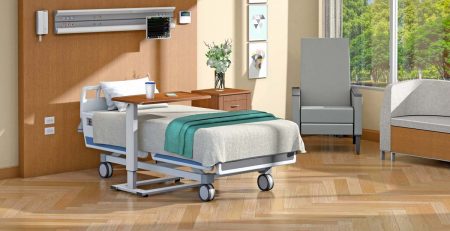
The Modern Shift to Rooming-In
Across the United States, hospitals continue to transition away from traditional newborn nurseries in favor of full rooming-in. According to the CDC’s most recent mPINC survey, 84 percent of responding hospitals reported that at least 80 percent of their newborns stayed in the room with their mothers 24 hours a day, except when separated for medical reasons. The Baby-Friendly Hospital Initiative (BFHI) also identifies rooming-in as one of its Ten Steps to Successful Breastfeeding, encouraging hospitals to allow mothers and infants to remain together 24 hours a day whenever medically appropriate.
This shift aligns with strong patient expectations. Families increasingly want birth experiences that feel personal and connected, with fewer physical separations between mother and newborn. For OB and L&D leaders, this transition also presents an opportunity to modernize patient environments, improve workflows, and invest in equipment that supports safer and more efficient care.
The Benefits of Rooming-In for Mothers, Newborns, and Clinical Staff
Rooming-in delivers measurable benefits for patients and caregivers. Mothers and newborns who remain together experience more immediate and consistent bonding, which directly improves breastfeeding initiation and duration. Continuous contact also reduces infant stress and helps regulate temperature, heart rate, circadian rhythms, and other early physiologic patterns.
From a safety perspective, rooming-in reduces fall risk and lowers the likelihood of handoff-related events by keeping baby within reach of the mother and nursing staff rather than requiring multiple transfers between nursery and patient room. Mothers gain confidence in newborn care before discharge because they have more opportunities to practice feeding, soothing, and bonding with increased support from staff.
Rooming-in also improves clinical workflow. When the baby remains in the room, nurses avoid the back-and-forth travel associated with nursery-based care, which allows more time for face-to-face patient support and reduces unnecessary steps in a shift. These benefits align closely with hospital goals related to quality, safety, HCAHPS performance, and overall patient satisfaction.
Teaching Newborn Care at the Bedside
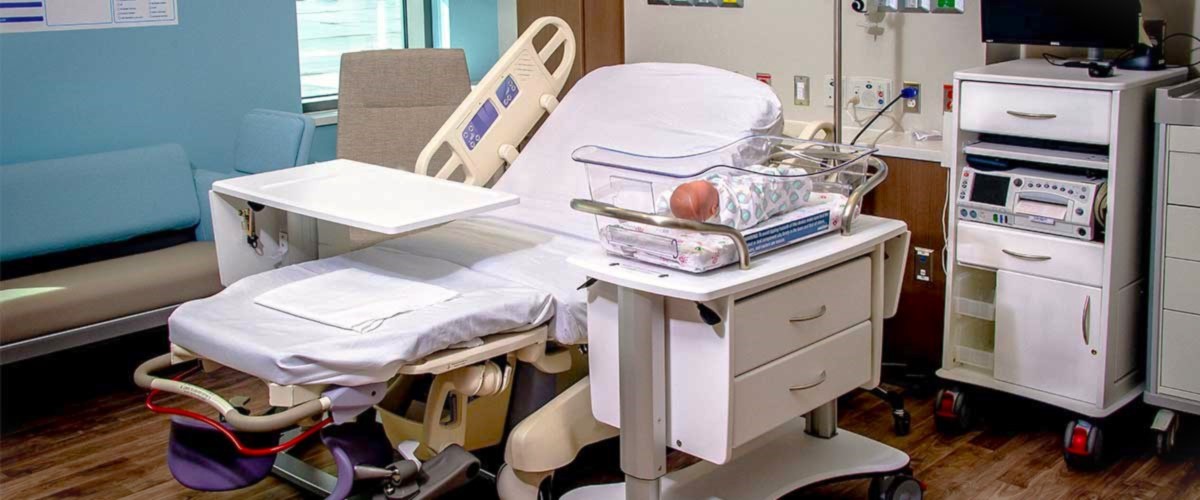
One of the most overlooked advantages of rooming-in is the way it expands opportunities for parent education. When newborns stay with their parents, nurses can demonstrate essential newborn care skills in real time. This includes identifying feeding cues, supporting breastfeeding or bottle-feeding, practicing safe sleep, diapering, and teaching comforting and soothing techniques.
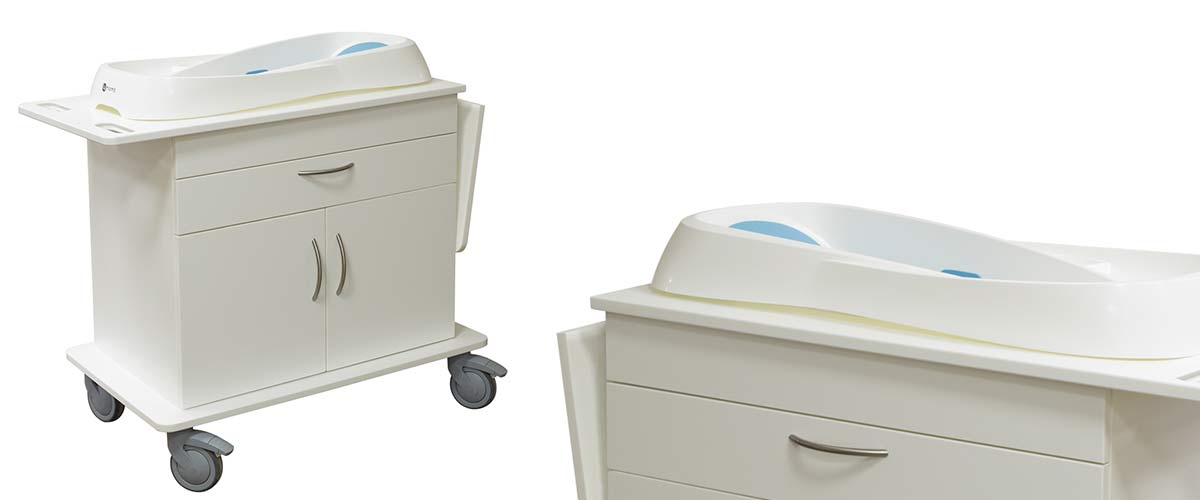
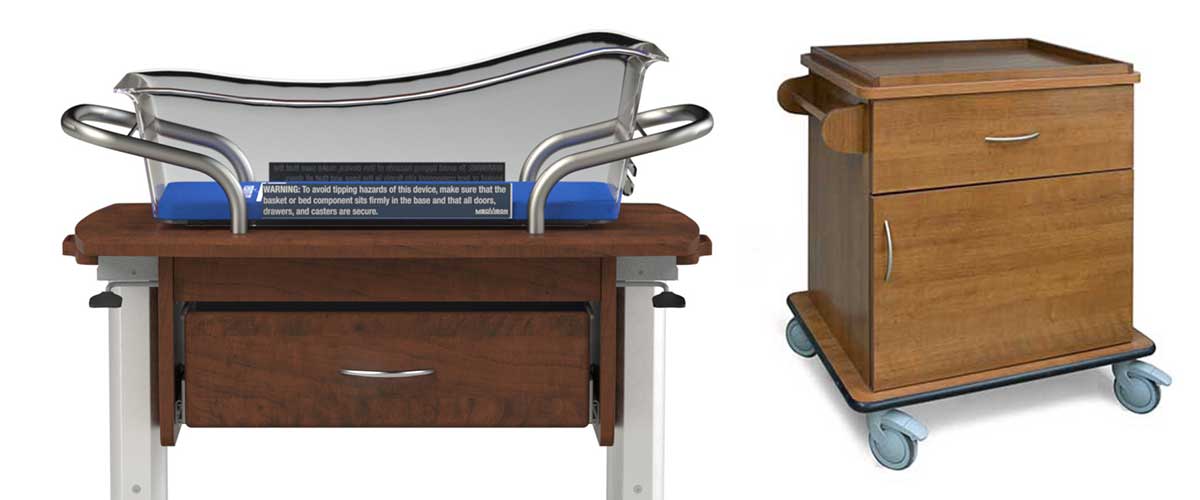
Tools such as mobile bathinets make bedside teaching even easier, since staff can bring the bath to the patient rather than transport the infant to a separate space. This direct, hands-on education helps parents feel confident and capable by the time they leave the hospital. As a result, hospitals often see fewer post-discharge phone calls, lower readmission rates for feeding issues, and improved patient confidence and satisfaction.
Designing Rooming-In Environments That Improve Workflow Efficiency
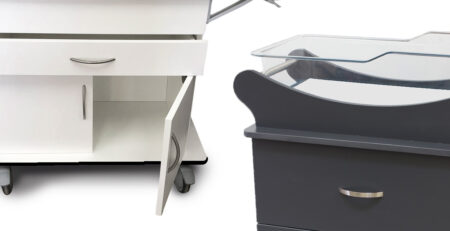
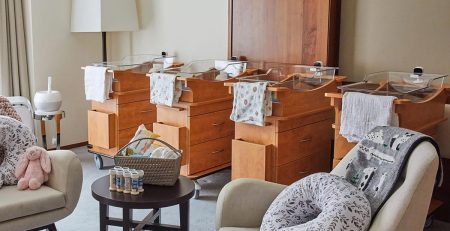
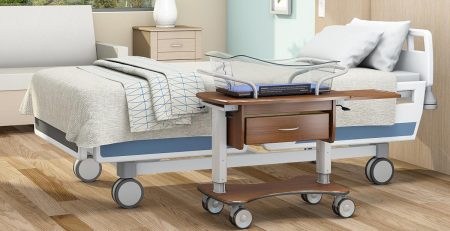
Effective rooming-in depends on thoughtful room design and equipment selection. Bassinet height is especially important. Because many hospitals require lowering beds to the lowest settings with fall risk patients (such as postpartum mothers), low-height bassinets minimize fall risk by positioning the baby at a safer, more ergonomic level. Height adjustable bassinets offer even more flexibility by allowing caregivers to raise or lower the surface to match their own working height or the mother’s comfort level.
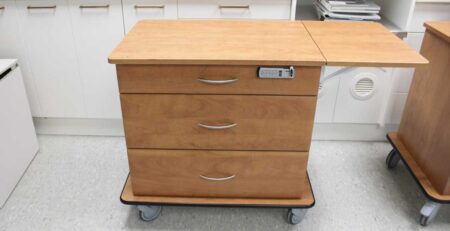
Mobile bathinets support bedside bathing and eliminate unnecessary transfers, which not only improves workflow but also strengthens parent education. Similarly, roaming scale carts let staff weigh newborns at the bedside, improving safety by reducing the number of times the baby must be carried to another location. Together, these elements create a safer, more efficient rooming-in environment for both staff and families.
Furniture and Equipment Features That Support Successful Rooming In
Rooming-in success depends on equipment that meets clinical, environmental, and durability standards. High-quality medical bassinets with antimicrobial surfaces provide essential infection control and withstand frequent cleaning. Long-term warranties also offer peace of mind for purchasing teams focused on lifecycle value.
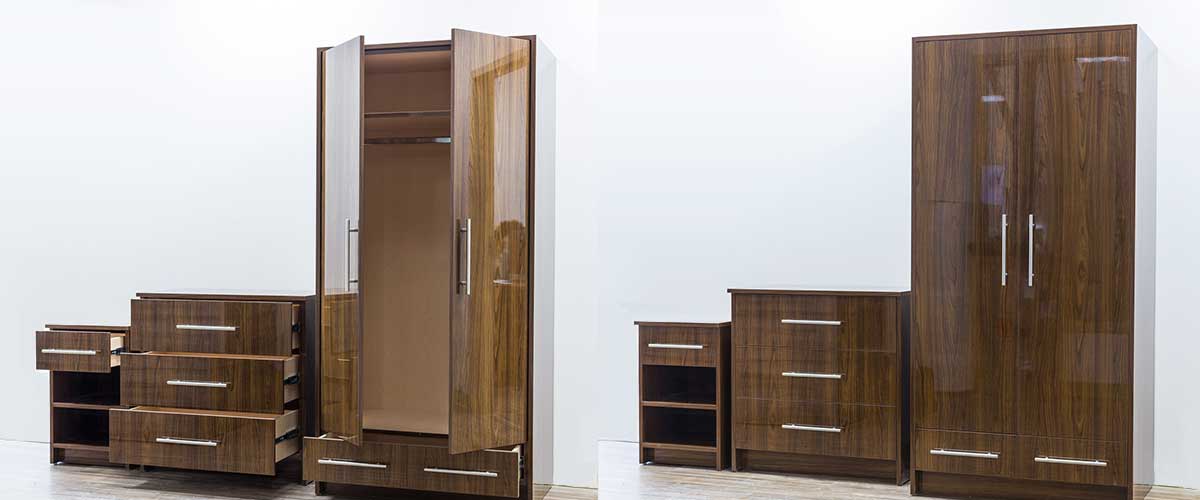
Customization plays a significant role. When facilities can specify dimensions, finishes, and storage configurations, they can better support workflow and achieve a cohesive, home-like aesthetic. Coordinating finishes across bassinets, bathinets, wardrobes, cupboards, and carts reinforces a calm environment and elevates the patient experience.
Rooming-In as the Standard for Modern L&D Care
Rooming-in is no longer an optional enhancement. It is becoming an expected standard for maternity care across the country. As hospitals continue to reconfigure newborn care practices, OB and L&D leaders have an opportunity to strengthen their workflows, improve patient satisfaction, and support safer, more efficient care models.
By leveraging modern equipment, thoughtful design choices, and customizable furniture solutions, hospitals can create environments that reinforce family-centered care while enhancing staff workflow. The next step is simple: evaluate your current rooms, identify gaps, and determine how your unit can better support full rooming in for every eligible mother and newborn.
If your facility is exploring or preparing to transition to a rooming-in care model, contact Convergint-IMS to learn how our labor & delivery carts and patient care furniture can support your team and create a cohesive, efficient, and pleasant environment for newborn care.